For home defense, the Remington 870 generally edges out the Mossberg 500 on raw reliability history and aftermarket parts, while the Mossberg 500 wins on ambidextrous controls and a lower price point for comparable models. Both are pump-action 12-gauge shotguns with decades of law enforcement and military service behind them, and either one will stop a threat if you put in the practice time. The real decision comes down to how the safety, slide release, and action feel in your hands, not which brand has the louder internet fan base.
This comparison matters because a defensive shotgun sits in your closet or bedside safe for years, sometimes decades, before you ever need it. A $50 difference in price or a half-second difference in manipulating the safety can matter far more than most buyers realize when they are standing in a gun store comparing two similar-looking black pump guns.
Key Takeaways
- The Mossberg 500 uses a tang-mounted safety that works the same for left- and right-handed shooters, while the Remington 870 uses a crossbolt safety just behind the trigger guard.
- The Remington 870 uses a single action bar, and the Mossberg 500 uses dual action bars, which affects how each gun feels when you rack the slide under stress.
- Base model pricing for both runs roughly $400 to $600 as of 2026, with tactical/home-defense configurations (18.5-inch barrel, extended magazine) landing between $450 and $700.
- The Mossberg 500 receiver is aluminum alloy; the Remington 870 receiver is machined steel, which affects weight and long-term wear differently.
- Aftermarket support for the Remington 870 is somewhat wider due to its longer production history, though Mossberg has closed much of that gap over the last 15 years.
- Neither gun has a meaningful reliability edge in modern production; most functional issues trace back to ammunition choice, spring wear, or lack of maintenance rather than a design flaw in either platform.
The Controls: Safety Placement and Slide Release
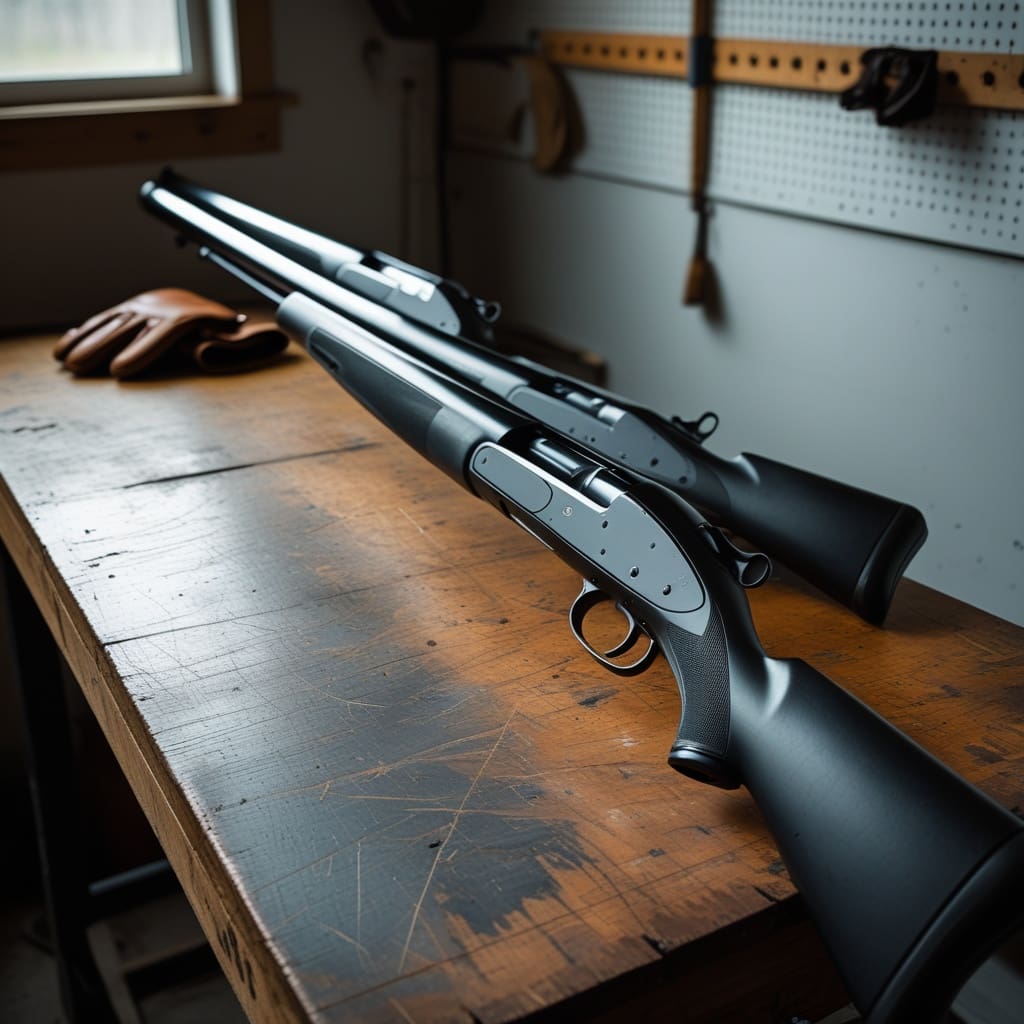
The Mossberg 500 places its safety on top of the receiver, right behind where your thumb naturally rests when gripping the tang. You push it forward to fire and pull it back to engage, and it works identically whether you are right- or left-handed. This matters more than it sounds for home defense, since you may be gripping the shotgun one-handed while opening a door, holding a phone, or shielding a family member with your other arm.
The Remington 870 uses a crossbolt safety located just above and behind the trigger guard. You push it from right to left to fire. This design is fast for right-handed shooters once trained, but it requires a slight hand shift for left-handed shooters, since the button sits on the “wrong” side by default. Remington does offer left-hand configured 870 models, but they are less common on dealer shelves than standard right-hand versions.
Slide release buttons differ too. On most Mossberg 500 models, the slide release sits just behind the trigger guard on the left side of the receiver, easy to reach with your trigger finger. On the Remington 870, the slide release is a small button on the right side, forward of the trigger guard, which some shooters find slightly slower to locate under stress, especially with gloves on. Neither difference is disqualifying, but if you have never handled either gun, spend ten minutes at a local range or gun counter dry-firing both before you decide.
The Difference in Actions: Dual Bars vs. Single Bar
The Mossberg 500 runs on dual action bars, meaning two parallel rods connect the forend to the bolt. The Remington 870 runs on a single action bar, with one rod doing that same job. This single mechanical difference shapes a lot of the reputation each gun carries.
Dual action bars distribute force more evenly across the bolt, which some shooters and armorers argue reduces the chance of the forend binding or racking at an angle under a rushed, panicked stroke. A single action bar, by contrast, transmits force from one side only, which historically made older 870 models slightly more prone to binding if you racked the slide with an off-angle push, though modern manufacturing tolerances have made this a much smaller concern than it was in decades past.
In practical home-defense terms, both systems work reliably when racked properly, straight back and straight forward, with a firm, deliberate stroke. The dual-bar design gives the Mossberg 500 a reputation for being slightly more forgiving of a sloppy or panicked racking motion, which is worth considering if the shotgun will be handled by a less experienced household member during a high-stress event.
Receiver Material and Specifications
The Mossberg 500 uses an aluminum alloy receiver, while the Remington 870 uses a machined steel receiver. This single spec difference drives several downstream effects on weight, durability, and feel.
- Weight: A standard Mossberg 500 home-defense configuration (18.5-inch barrel) weighs approximately 6.75 pounds. A comparable Remington 870 configuration weighs approximately 7.25 to 7.5 pounds, largely due to the steel receiver.
- Durability: Steel resists dents and wear from repeated bolt-to-receiver contact slightly better over tens of thousands of cycles, which matters more for duty use than for a home-defense gun that might see a few hundred rounds a year.
- Corrosion resistance: Aluminum alloy does not rust, though its anodized finish can wear and expose bare metal over time. Steel receivers on the 870 are typically blued or matte-finished and can develop surface rust if neglected, particularly in humid climates.
- Chamber and gauge options: Both guns are most commonly sold in 12-gauge with a 3-inch chamber for home defense, though 20-gauge versions exist in both lines for shooters who want reduced recoil.
- Length of pull: Standard stocks on both guns run around 14 inches, with synthetic stocks from both Mossberg and Remington aftermarket catalogs adjustable down to roughly 12.5 to 13 inches for smaller-framed shooters.
Neither receiver material has caused a documented pattern of catastrophic failure in either platform. The steel-versus-aluminum debate is largely about feel, weight distribution, and long-term wear under heavy round counts, not about which gun is safer to own.
Magazine Tube Capacity and Extractor Reliability
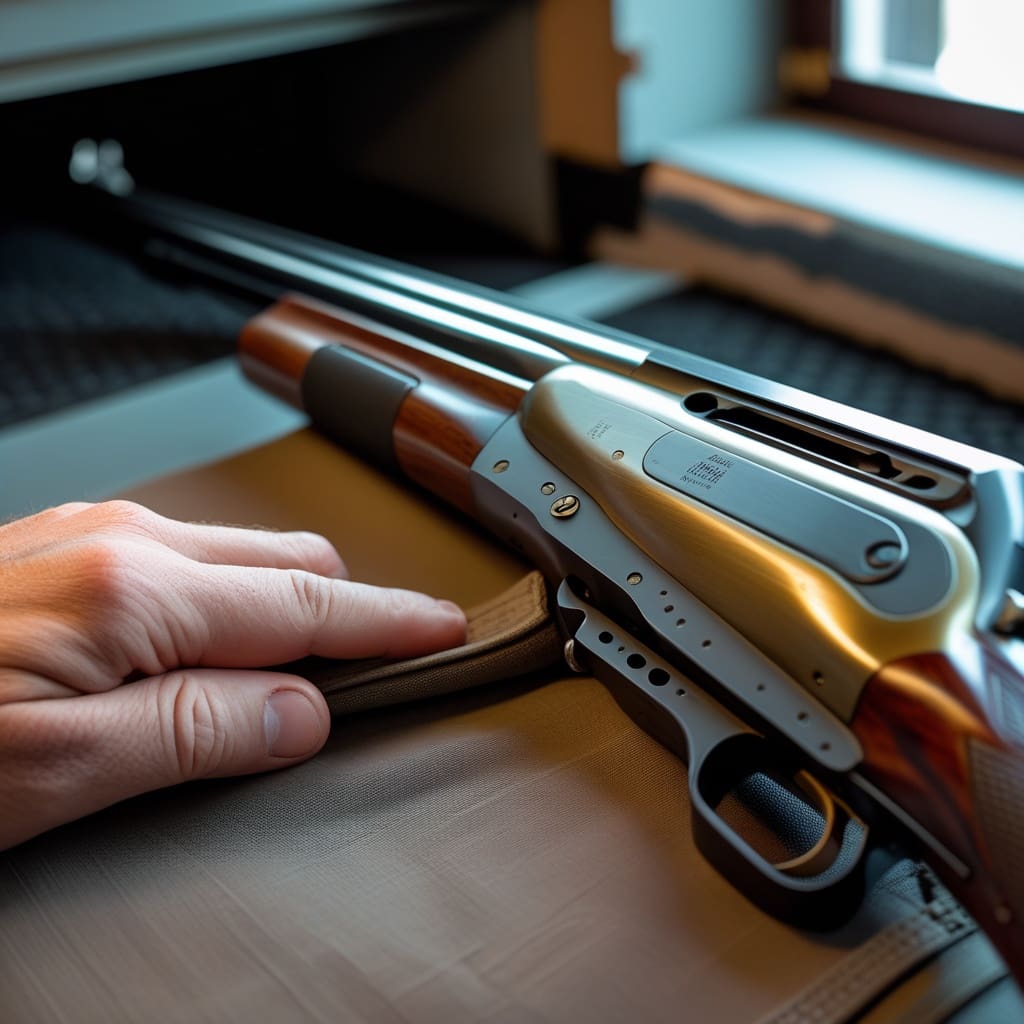
Standard Mossberg 500 home-defense models typically hold 5 to 8 rounds depending on barrel length and magazine tube configuration, with the 18.5-inch barrel version commonly shipping at 5+1 capacity (five in the tube, one in the chamber). Extended magazine tube kits from Mossberg and third-party makers can push capacity to 8 or even 9+1 rounds on some configurations. The Remington 870 offers similar baseline capacity, usually 4+1 to 6+1 depending on model, with aftermarket extended tubes from companies like Nordic Components and Wilson Combat bringing capacity up to 7+1 or higher.
Extractors and ejectors are where you will find the most heated internet debate, and where actual field experience tells a calmer story. The Remington 870 uses a single extractor, a design that has run through hundreds of thousands of police and military service weapons since the gun’s introduction in 1950. The Mossberg 500, in various generations, has used both single and dual extractor designs, with current production models generally featuring a robust single extractor as well. In day-to-day home-defense use, firing factory-fresh ammunition through a clean, properly lubricated gun, extraction failures are rare on either platform. Most reported extraction issues in online forums trace back to a dirty chamber, a worn or fouled extractor claw, or cheap reloaded ammunition rather than a fundamental design flaw in either shotgun.
The shell lifter, sometimes called the carrier, is another small part worth checking before you trust a shotgun to defend your home. Both guns lift the next shell from the magazine tube into position as you cycle the action, and on both platforms this part occasionally needs cleaning or light lubrication after a few hundred rounds to keep it moving smoothly. It is a five-minute maintenance task that far too many owners skip, and it is the single most common cause of a “malfunctioning” shotgun that turns out to just be dirty.
Adding an Optic or Light for Home Defense
Both the Mossberg 500 and Remington 870 accept aftermarket receiver-mounted optic rails, though the mounting process differs slightly between the two. Mossberg’s own factory-drilled and tapped receivers on many current models make adding a red dot sight, such as a Holosun 507K or similar compact optic, straightforward with a direct-mount plate. Remington 870 owners typically need a saddle mount or receiver-specific base plate, since most 870 receivers are not drilled and tapped from the factory in the same way.
For a dedicated home-defense build, a weapon-mounted light matters more than an optic for most people. A TLR-1 or similar 300 to 1,000 lumen light mounted to the magazine tube (using a barrel clamp or magazine tube light mount) lets you identify a threat before you decide to fire, which is a legal and practical necessity in nearly every self-defense scenario involving a dark house at 3 a.m. Both platforms have a deep enough aftermarket catalog that you will find magazine-tube-clamp light mounts sized correctly for either gun without much searching.
If you do want a red dot, keep expectations realistic. A shotgun used at typical home-defense distances of 5 to 15 feet does not require precision aiming the way a rifle at 100 yards does. A dot or simple bead sight both work fine at those ranges; the light matters far more for target identification than the sighting system does for accuracy.
Cost Comparison: What You Will Actually Pay
Pricing on both platforms has stayed relatively stable through 2026, with new production models sold through major retailers falling into fairly predictable bands.
- Mossberg 500 Field/Combo models: approximately $400 to $480 new.
- Mossberg 500 Tactical/Home Defense configuration (18.5-inch barrel, synthetic stock, bead or ghost ring sight): approximately $450 to $550 new.
- Remington 870 Express/Tactical models: approximately $450 to $600 new, with pricing having risen somewhat since Remington’s 2020 restructuring under RemArms.
- Remington 870 Wingmaster or premium-tier models: $700 and up, generally overkill for a pure home-defense role.
- Used market pricing (both platforms): $250 to $400 for a well-maintained used gun with normal wear, though you should always function-check a used pump shotgun in person before buying.
Ammunition costs are identical regardless of which gun you choose, since both fire standard 12-gauge shells. Budget roughly $8 to $15 per box of 25 rounds of buckshot for practice, and $12 to $20 per box of 5 for premium reduced-recoil defensive buckshot loads intended for actual home-defense use.
Which One Should You Choose?
Choose the Mossberg 500 if you are left-handed, if multiple household members of different dominant hands might need to operate the gun, or if you want a slightly lighter shotgun with a lower average price tag. Choose the Remington 870 if you value the widest possible aftermarket parts ecosystem, prefer a heavier steel receiver, or already have experience running an 870 through training or prior service.
Neither gun is the wrong answer. The real mistake is buying either one, leaving it in a closet unloaded and untested, and assuming muscle memory will appear on its own during an emergency.
Whichever platform you choose, put at least 100 rounds through it before you consider it “ready,” and practice racking the slide, engaging the safety, and shouldering the gun in low light, since that is when you are most likely to actually need it.
Conclusion
Both the Mossberg 500 and Remington 870 have earned their reputations through decades of real-world use in police departments, military units, and civilian homes across the country. The Mossberg 500 offers a more ambidextrous safety and a slightly lighter build at a marginally lower average price, while the Remington 870 offers a longer aftermarket track record and a steel receiver some shooters prefer for its feel and heft. For home defense specifically, the deciding factor should be how the gun fits your hands, how confidently everyone in your household can operate it, and how much you actually train with it once it is home.
If you are shopping for either gun, visit a local gun store and handle both in person before buying. Rack the slide, engage the safety with your off hand, and shoulder each gun with an unloaded barrel pointed in a safe direction. The one that feels faster and more natural in your hands is very likely the right choice for your home.
Frequently Asked Questions
Is the Mossberg 500 or Remington 870 more reliable for home defense?
Both are considered equally reliable in modern production when properly maintained. Reported malfunctions on either gun almost always trace back to a dirty chamber, worn springs, or low-quality ammunition rather than a design flaw specific to one platform.
Which shotgun is better for a left-handed shooter?
The Mossberg 500 is generally better for left-handed shooters because its tang-mounted safety works identically regardless of hand dominance. The Remington 870’s crossbolt safety is set up for right-hand use by default, though left-hand configured 870 models do exist.
What barrel length is best for home defense on either gun?
An 18.5-inch barrel is the standard choice for both the Mossberg 500 and Remington 870 in home-defense configurations. This length keeps the gun maneuverable in hallways and doorways while staying legal under the federal minimum barrel length of 18 inches set by the National Firearms Act.
Do I need buckshot or birdshot for home defense?
Buckshot, specifically 00 buckshot, is the standard recommendation for home defense with either shotgun. Birdshot lacks the penetration needed for reliable stopping power at typical indoor distances of 5 to 15 feet, while 00 buckshot delivers 8 to 9 pellets per shell with adequate penetration.
How much should I budget for a complete home-defense shotgun setup?
Plan on $550 to $900 total for the gun, a weapon light, and a few boxes of defensive ammunition. That typically breaks down to $450 to $600 for the shotgun itself, $80 to $150 for a magazine-tube-mounted light, and $30 to $50 for a supply of premium 00 buckshot rounds.