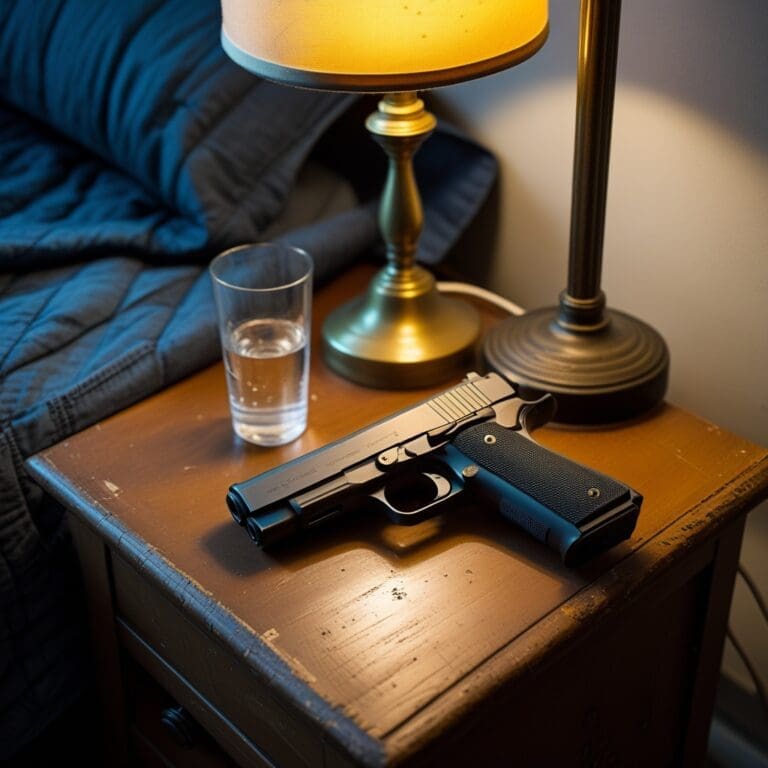
Pump action shotguns beat semi automatics for most home defense needs thanks to lower cost, mechanical simplicity, and reliability with any ammo you feed them. Semi automatics counter with faster follow-up shots and softer recoil, which matters if you have limited upper body strength or a smaller shooter in the household. Both platforms have decades of proven use in law enforcement and civilian defense. A pump gun runs $300 to $500 and rarely jams regardless of ammo type, while a reliable semi auto often starts closer to $600 to $900 and can be pickier about the loads it cycles.
Key Takeaways
- Pump action shotguns such as the Mossberg 500 or Remington 870 typically cost between $400 and $600, while semi automatic models like the Beretta A300 Ultima Patrol or Benelli M4 range from $800 to $2,200.
- Pump actions cycle any shell you feed them, including low-brass, high-brass, and reduced-recoil loads, without requiring a minimum power threshold to operate the action.
- Semi automatic shotguns reduce felt recoil by 20 to 30 percent compared to pump guns firing the same load, according to manufacturer and industry recoil testing data.
- Standard home defense capacity runs 4 to 8 shells depending on barrel length and magazine tube extension, regardless of action type.
- Mechanical malfunctions are rare in both platforms when using quality ammunition, but pump guns generally require less cleaning to remain reliable.
How Pump Action and Semi Automatic Shotguns Actually Work
A pump action shotgun requires you to manually cycle the forend backward and forward to eject a spent shell and load a fresh one. This mechanical action does not rely on the pressure or recoil generated by the fired round, which means a pump gun will cycle almost any shell you put into it, from light target loads to full-power buckshot. The tradeoff is speed. You must physically rack the action between every shot, which takes a fraction of a second longer than a semi automatic system and requires you to maintain grip control during recoil.
A semi automatic shotgun uses either gas operation or inertia operation to automatically eject the spent shell and chamber a new one after each trigger pull. Gas-operated guns, such as the Beretta A300 series, bleed off a portion of the propellant gas through a port in the barrel to cycle the action. Inertia-driven guns, like the Benelli M4 and M2, use the recoil energy of the firearm itself moving backward to unlock and cycle the bolt. Both systems allow you to fire follow-up shots simply by pulling the trigger again, without any manual manipulation.
The core tradeoff is straightforward: pump guns trade speed for mechanical certainty, while semi automatics trade a small amount of ammunition sensitivity for faster shot-to-shot times and softer recoil.
Reliability: Which Action Type Malfunctions Less
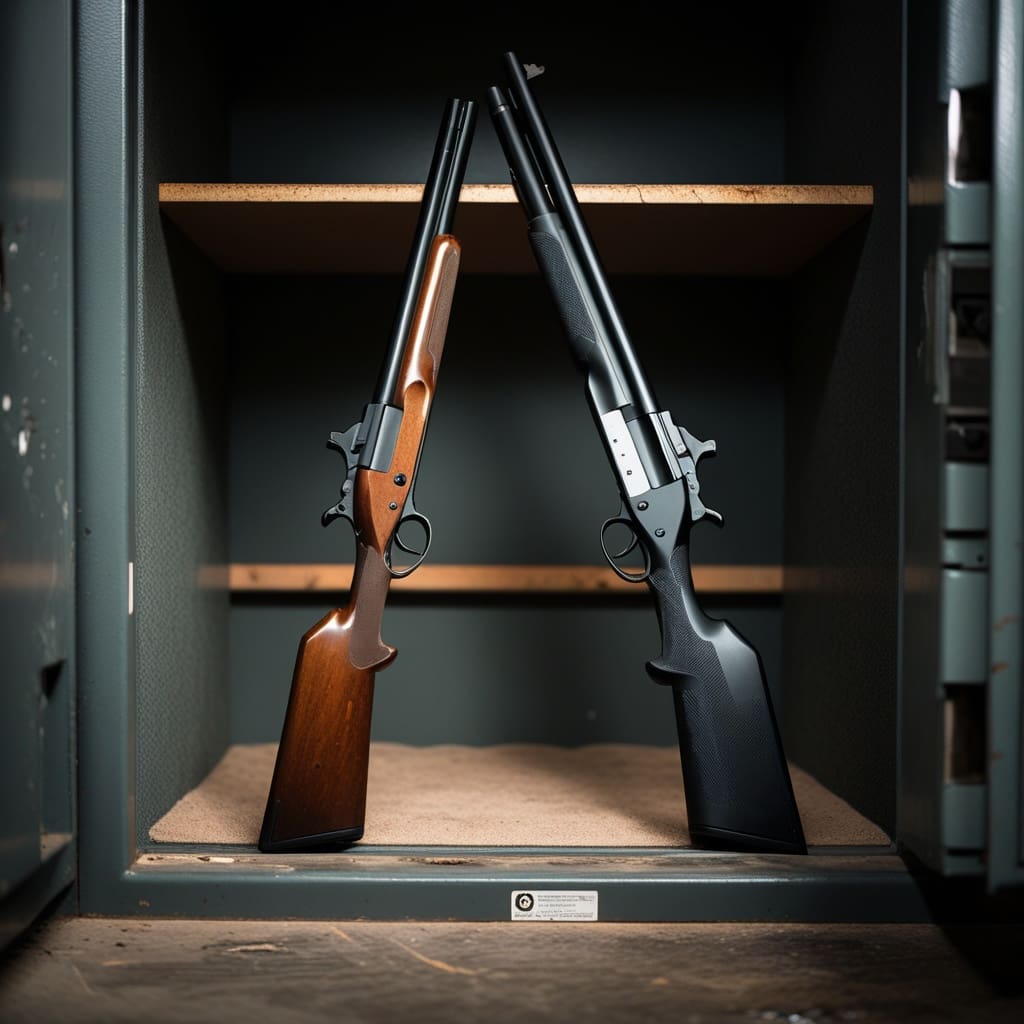
Pump shotguns have the edge in raw reliability because cycling depends on your hand, not the fired round. That means a pump gun runs fine with mismatched ammo, like mixing 2¾-inch and 3-inch shells in the same tube. Police departments have trusted the Remington 870 and Mossberg 500 since the 1950s and 1960s for this reason, prizing guns that run dirty or poorly maintained for years without failing.
Semi automatics have closed much of that gap, especially inertia-driven designs like the Benelli M4 (adopted by the Marine Corps as the M1014). Still, they’re more sensitive to ammo choice. Gas guns can short-cycle with light loads or fouled gas ports, and manufacturers recommend cleaning them every 200 to 300 rounds. Inertia guns tolerate longer gaps, often 500 rounds or more.
For a home defense gun sitting loaded for months between range visits, that gap matters. A pump left untouched for eighteen months will almost certainly cycle on the first try. A semi automatic carries a slightly higher, though still modest, risk if lubricant dries out or dust builds up in the action.
Cost Comparison for 2026 Buyers
Budget is often the deciding factor, and the gap between these two platforms remains significant in 2026. A new Mossberg 500 or Maverick 88 (the Mossberg budget line) typically sells for $350 to $450 at retail. A Remington 870 Tactical or Fieldmaster runs $450 to $650, depending on finish and sights. On the semi automatic side, entry-level gas guns such as the Beretta A300 Ultima Patrol or CZ 712 fall in the $600 to $900 range, while premium inertia guns like the Benelli M4 Tactical retail between $1,900 and $2,200.
Ammunition capacity upgrades add further cost. A magazine tube extension for either action type typically costs $80 to $150, plus $20 to $40 for professional installation if you are not comfortable doing it yourself. Because semi automatics have more moving parts, aftermarket parts and gunsmith labor for repairs also tend to run higher, often $75 to $150 per hour compared to $50 to $100 per hour for basic pump gun service.
- Mossberg 500 / Maverick 88 (pump): $350 to $450
- Remington 870 (pump): $450 to $650
- CZ 712 / Beretta A300 (semi automatic, gas): $600 to $900
- Beretta 1301 Tactical (semi automatic, gas): $1,300 to $1,600
- Benelli M4 (semi automatic, inertia): $1,900 to $2,200
Recoil and Follow-Up Shot Speed
Semi automatic shotguns genuinely reduce felt recoil compared to pump guns firing an identical load. Independent recoil testing and manufacturer data consistently show a 20 to 30 percent reduction in felt recoil with gas-operated semi automatics, because a portion of the recoil energy is redirected into cycling the action instead of transferring fully into your shoulder. This matters considerably for smaller-framed shooters, older adults, or anyone with a prior shoulder injury, since heavy recoil is one of the most common reasons people flinch, develop poor trigger control, or avoid practicing altogether.
Follow-up shot speed also favors semi automatics. Trained shooters typically fire a second shot 0.3 to 0.5 seconds faster with a semi automatic than with a pump gun, since there is no manual racking step between trigger pulls. In a defensive encounter, where multiple shots may be necessary to stop a threat, that fraction of a second can matter. That said, speed advantage only helps if you can hit your target, and many pump gun shooters with consistent practice close most of this gap through muscle memory and a smooth, practiced pump stroke.
Ammunition Sensitivity: A Real-World Concern
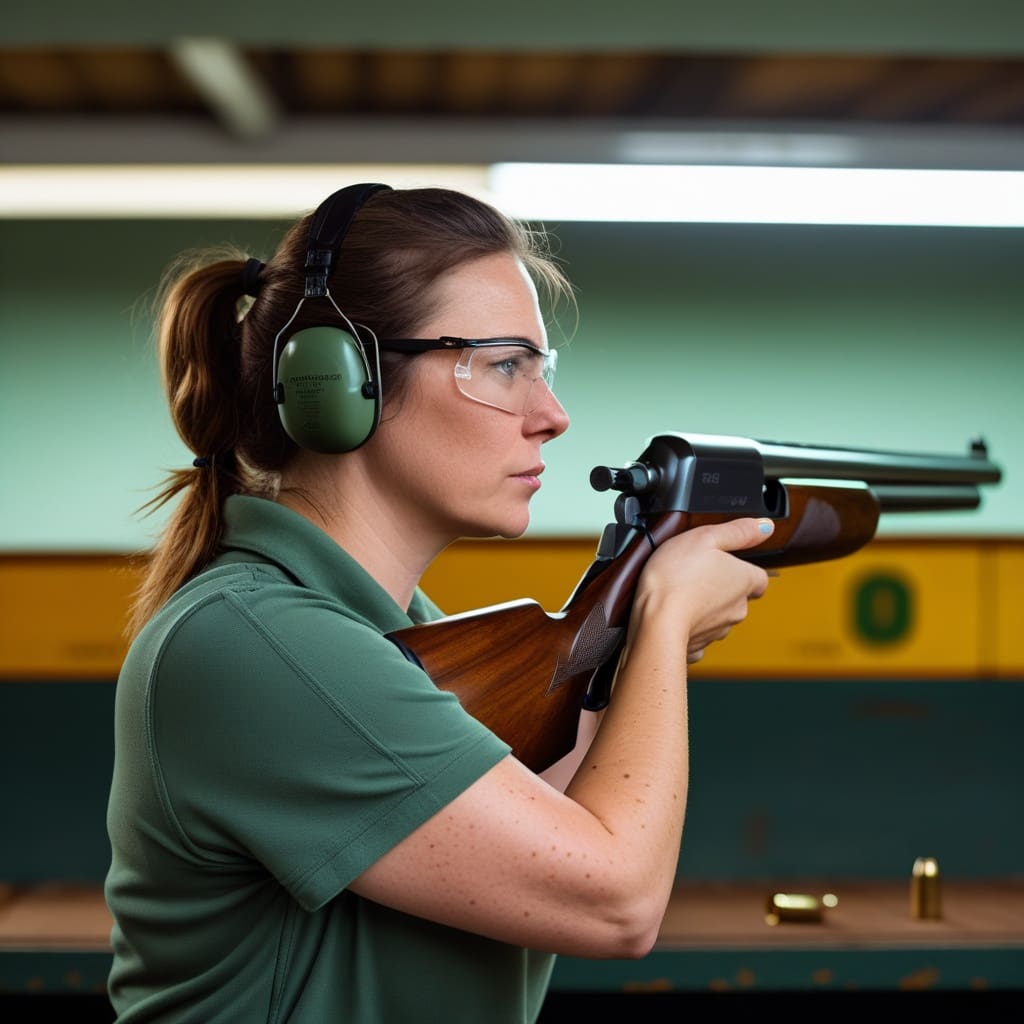
Semi automatic shotguns need a minimum level of recoil or gas pressure to cycle reliably, which means low-recoil defensive loads sometimes cause cycling problems in certain models. Reduced-recoil buckshot, popular for home defense because it is easier to control and produces less muzzle rise, generates less energy to work the action. Some gas guns handle these loads without issue, while others require full-power loads to cycle every time. Before trusting any semi automatic shotgun for defense, you should fire at least 50 to 100 rounds of your chosen defensive ammunition through it to confirm reliable cycling.
Pump action shotguns have no such limitation. Because the shooter provides all the energy needed to cycle the action, a pump gun will run reduced-recoil buckshot, birdshot, slugs, and less-lethal rounds with equal reliability. This flexibility is one reason many firearms instructors recommend pump guns to new shotgun owners who have not yet settled on a specific ammunition brand or load for their home defense setup.
Capacity and Barrel Length Considerations
Home defense shotguns typically use barrel lengths of 18 to 20 inches, which maximizes maneuverability in hallways and doorways while remaining legal under federal law (barrels shorter than 18 inches fall under the National Firearms Act and require special registration through the ATF Form 1 or Form 4 process). Standard tube capacity at this barrel length runs 4 to 5 shells in the magazine plus one in the chamber, giving you 5 to 6 total rounds before reloading.
Magazine extensions can push capacity to 7 or 8 rounds on either action type, though extended tubes add length and weight to the front of the gun, which can affect handling speed in tight spaces. Capacity itself does not favor one action type over the other in any meaningful way, since both platforms accept similar tube extensions and hold comparable round counts for a given barrel length.
Comparison at a Glance
- Purchase cost: Pump ($350 to $650) is significantly cheaper than semi automatic ($600 to $2,200).
- Reliability with mixed or reduced-recoil ammo: Pump wins, since manual cycling is unaffected by shell power.
- Felt recoil: Semi automatic wins, with 20 to 30 percent less felt recoil on average.
- Follow-up shot speed: Semi automatic wins by roughly 0.3 to 0.5 seconds per shot.
- Maintenance demands: Pump wins, tolerating longer intervals between cleanings.
- Learning curve: Pump requires more practice to master smooth cycling under stress; semi automatic requires less manual skill but more attention to ammunition selection.
- Long-term repair cost: Pump wins, with fewer moving parts and lower gunsmith labor rates.
Which One Should You Choose
Choose a pump action shotgun if you want the lowest upfront cost, the widest ammunition compatibility, and a gun that will function reliably even with minimal maintenance over years of storage. The Mossberg 500 and Remington 870 remain the two most common recommendations from firearms instructors nationwide, largely because replacement parts and aftermarket accessories are widely available and inexpensive, and because decades of law enforcement use have proven their durability.
Choose a semi automatic shotgun if recoil management is your primary concern, particularly for a smaller-framed household member, or if you value the fastest possible follow-up shots and are willing to commit to regular cleaning and function-testing your chosen ammunition. The Beretta 1301 Tactical has become a favorite among competitive shooters and instructors for its exceptionally soft recoil impulse and fast cycling, though its higher price point, typically $1,300 to $1,600, puts it out of reach for many first-time buyers.
If you are outfitting a household with multiple potential shooters of varying strength and experience, consider that the best shotgun is the one every household member can operate confidently under stress. A lightweight semi automatic may serve a smaller-statured spouse better than a pump gun that requires significant upper body strength and coordination to cycle quickly.
Training and Practice Requirements
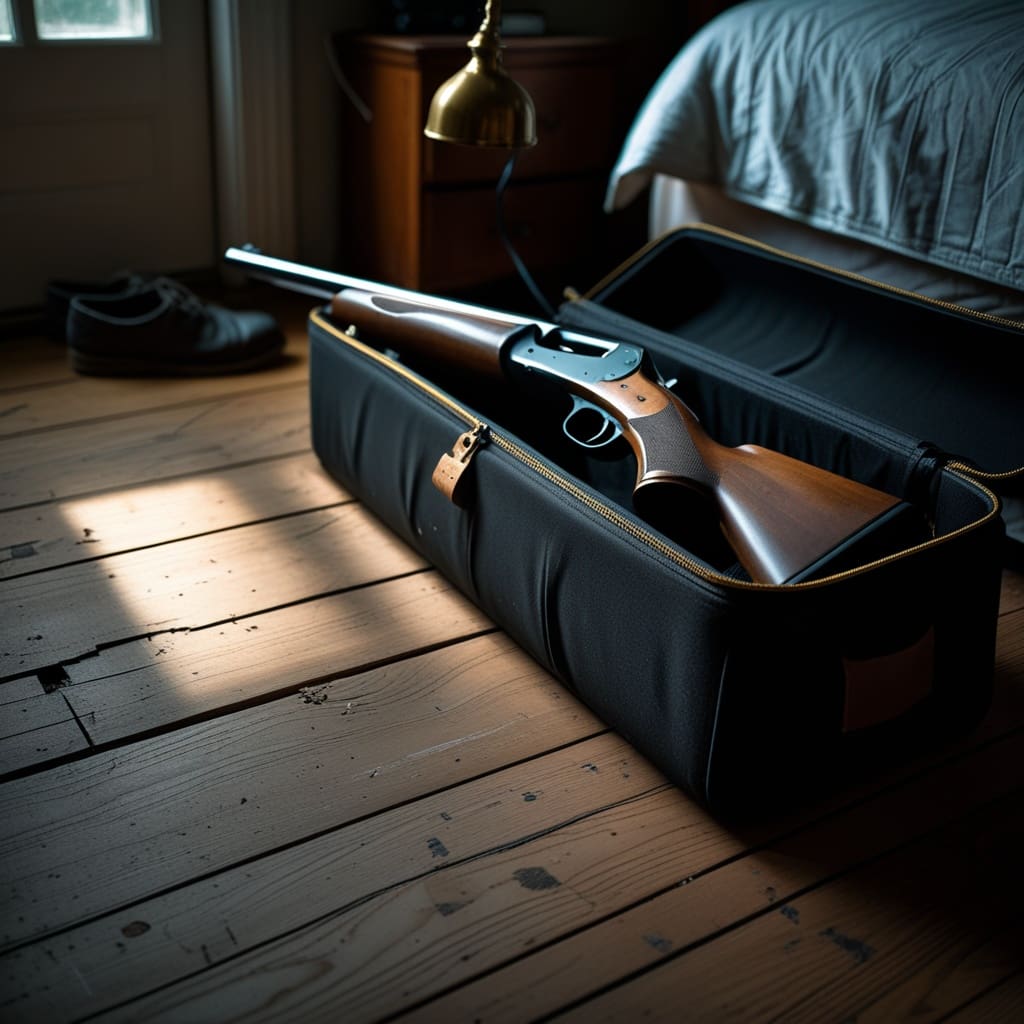
Neither shotgun type replaces the need for regular practice, and the National Shooting Sports Foundation recommends at least 100 rounds of practice per year to maintain proficiency with any defensive firearm. Pump gun owners in particular benefit from practicing the pump stroke under time pressure, since a short-stroke (failing to fully cycle the action) is the most common malfunction with this platform and often occurs when a shooter is startled or moving quickly.
Semi automatic owners should dedicate practice time specifically to function-testing their chosen defensive ammunition rather than assuming any shell will cycle reliably. A pattern test at 7 to 10 yards, the typical distance for an indoor home defense encounter, also helps confirm your buckshot load performs as expected from your specific barrel and choke combination, regardless of which action type you choose.
Call to Action
Before you commit to either platform, visit a licensed local firearms retailer and physically handle both a pump action and a semi automatic shotgun to compare weight, balance, and how each one fits your grip and stance. Many indoor ranges offer rental programs for $25 to $40 per session, which allows you to fire both action types with a box of shells before making a purchase decision that could exceed $1,000. Speak with a certified firearms instructor about a basic defensive shotgun course, typically $150 to $300 for a single day, to build the specific skills each platform demands.
Conclusion
Both pump action and semi automatic shotguns can serve as highly effective home defense tools when paired with proper training and reliable ammunition. Pump guns offer unmatched affordability, mechanical simplicity, and tolerance for any shell you feed them, making them the practical default for most households. Semi automatics reward the extra investment with softer recoil and faster shot-to-shot times, benefits that matter most for recoil-sensitive shooters or those seeking maximum follow-up speed. Your decision should rest on your budget, your household’s physical capabilities, and your willingness to maintain the firearm properly over time.
Frequently Asked Questions
Is a 12 gauge or 20 gauge better for home defense?
A 12 gauge offers more stopping power, but a 20 gauge is easier for smaller shooters to control. Both gauges are effective at typical indoor engagement distances of 7 to 15 feet, and a 20 gauge loaded with premium buckshot performs very well while producing noticeably less recoil than a 12 gauge.
How many rounds should a home defense shotgun hold?
Most experts recommend 5 to 8 rounds total, including the chamber. This provides enough capacity for a realistic defensive encounter without adding excessive weight or length to the gun from an oversized magazine tube extension.
Do semi automatic shotguns jam more often than pump shotguns?
Quality semi automatics rarely jam, but they are more sensitive to ammunition choice and cleaning schedule than pump guns. A well-maintained semi automatic fed full-power defensive loads will run reliably for thousands of rounds, but neglecting cleaning or using underpowered ammunition increases the chance of a short-cycle.
What barrel length is best for a home defense shotgun?
An 18 to 20 inch barrel is the standard recommendation for home defense. This length balances maneuverability in hallways and rooms with the legal minimum of 18 inches under federal law, avoiding the extra regulatory steps required for shorter barrels.
Which shotgun action type is easier for a beginner to learn?
A semi automatic is generally easier to learn because it requires no manual cycling between shots. A pump action demands more practice to develop a smooth, consistent pump stroke, particularly under the stress of a real defensive scenario, though many beginners still master it within a few range sessions.