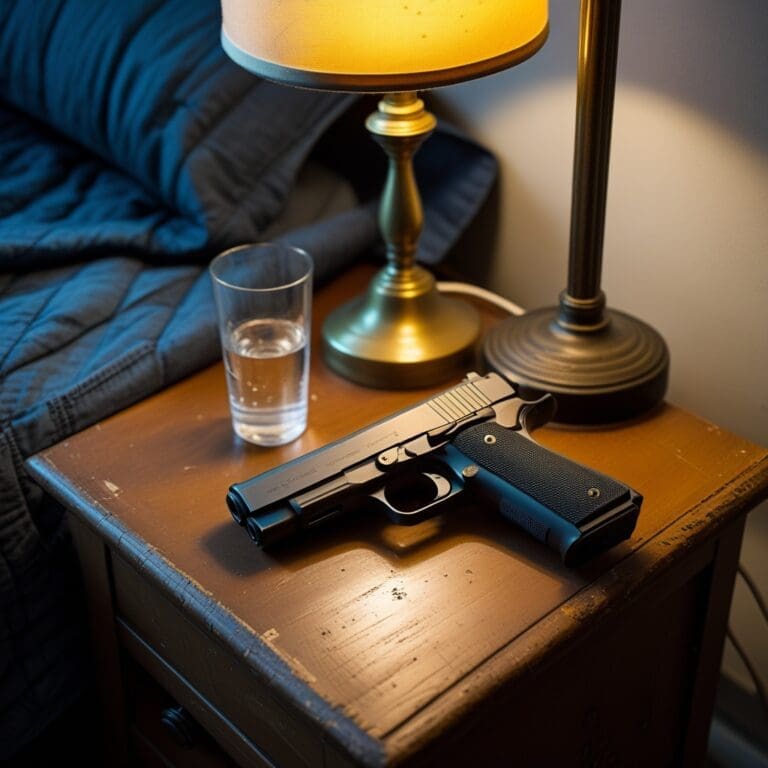
For home defense, the 12 gauge hits harder per shot while the 20 gauge kicks less and lets you fire follow-up rounds faster and more accurately. Both have stopped intruders for well over a century and remain top picks among firearms instructors for close-quarters protection. A 12 gauge buckshot load can carry 8 to 9 pellets at over 1,300 feet per second, while a 20 gauge load typically holds 20 pellets at slightly lower velocity, still deadly but easier to control. The right pick usually comes down to body size, recoil tolerance, and how many rooms you might need to cover before the threat stops.
Key Takeaways
- A 12 gauge 2.75-inch shell loaded with 00 buckshot typically holds 8 or 9 pellets and produces roughly 30 to 35 foot-pounds of recoil energy in a 7-pound shotgun.
- A 20 gauge shell with comparable buckshot loads generates about 15 to 20 foot-pounds of recoil energy, roughly 40 to 45 percent less than a full-power 12 gauge load.
- Reduced-recoil 12 gauge defense loads narrow the recoil gap significantly, often landing close to standard 20 gauge felt recoil while retaining more pellets on target.
- Ammunition cost runs about $9 to $14 for a box of five 12 gauge buckshot rounds, compared to $11 to $18 for five rounds of 20 gauge buckshot, since 20 gauge defense loads are produced in smaller volumes.
- Inside a typical 10 to 15 yard home defense distance, both gauges deliver a tight enough pattern to be effective, so pattern spread is rarely the deciding factor.
- Smaller-framed shooters, first-time gun owners, and anyone recoil-sensitive generally shoot the 20 gauge more accurately and recover faster between shots.
How Gauge Numbers Actually Describe Bore Size
Shotgun gauge measures the diameter of the bore using an old British system based on lead ball weight, and a lower number always means a wider barrel. A 12 gauge bore measures approximately 0.729 inches in diameter, meaning it takes 12 lead balls of that exact diameter to weigh one pound. A 20 gauge bore measures about 0.615 inches, so it takes 20 balls of that smaller size to weigh a pound.
This inverse relationship confuses new shooters constantly, but the practical takeaway is straightforward. A wider bore holds more shot, more powder, and generally more energy per shell. That single fact drives almost every other difference discussed in this article, from recoil to pellet count to felt punch on target.

12 Gauge Ballistics: Maximum Stopping Power
A 2.75-inch 12 gauge shell loaded with 00 buckshot typically fires 8 or 9 pellets, each roughly .33 caliber, at a muzzle velocity between 1,150 and 1,600 feet per second depending on the specific load. Standard-pressure defense loads from major manufacturers, such as Federal Premium Personal Defense or Remington Express, generate approximately 1,300 to 1,500 foot-pounds of muzzle energy. That energy figure sits well above what a typical 9mm or .45 ACP handgun round produces, which explains why the 12 gauge has remained the benchmark home defense platform for decades.
Nine pellets striking a target simultaneously create nine separate wound channels, a dramatic difference from a single projectile. At typical indoor distances of 7 to 15 yards, a cylinder bore or improved cylinder shotgun keeps that pattern tight enough that most or all pellets land on a torso-sized target. This combination of volume and energy is why many tactical trainers still consider the 12 gauge the single most effective man-stopper available in a shoulder-fired platform for close range encounters.
The tradeoff is obvious the moment you pull the trigger for the first time. Full-power 12 gauge loads produce noticeable muzzle rise and a sharp rearward push that can unsettle an inexperienced shooter, especially under the adrenaline of an actual break-in.
20 Gauge Ballistics: Lighter Recoil, Still Lethal
A 2.75-inch 20 gauge shell loaded with buckshot commonly holds around 20 pellets of smaller #3 buck, or a reduced count of 00 buck pellets in specialty defense loads, at velocities between 1,100 and 1,200 feet per second. Muzzle energy generally falls between 700 and 900 foot-pounds, noticeably lower than the 12 gauge but still far above most handgun cartridges. Federal’s Personal Defense 20 gauge line and Hornady’s Critical Defense 20 gauge loads are both purpose-built to maximize pellet energy retention despite the smaller bore.
What the 20 gauge sacrifices in raw energy, it partly recovers in controllability. Because the shell casing and powder charge are smaller, the shotgun itself can also be built lighter without becoming punishing to shoot. Many manufacturers, including Mossberg and Remington, produce 20 gauge home defense variants with shortened stocks and reduced overall length, making the gun easier to maneuver through hallways and around furniture during a real emergency.
For shooters under 150 pounds, or anyone with a shoulder injury, wrist issue, or limited upper body strength, the 20 gauge often produces measurably tighter shot groups simply because the shooter is not flinching in anticipation of heavy recoil.
Recoil Comparison: The Number That Matters Most Under Stress
Felt recoil, not paper ballistics, decides how quickly and accurately a person fires a second shot in a real confrontation. Using standard recoil energy formulas based on shell weight, powder charge, and gun weight, a 7-pound 12 gauge pump shotgun firing a standard 00 buck load generates approximately 30 to 35 foot-pounds of recoil energy. A comparably weighted 20 gauge shotgun firing a typical buckshot load produces roughly 15 to 20 foot-pounds, a reduction of 40 to 45 percent.
That difference is significant enough to affect follow-up shot speed by a measurable margin in shooting drills. Recoil-sensitive shooters firing full-power 12 gauge loads commonly need an extra half-second to a full second to reacquire their sight picture after the first shot. Under the compressed timeline of a home invasion, that gap can matter.
Reduced-recoil 12 gauge loads, marketed by brands like Federal and Remington specifically for personal defense, narrow this gap considerably. These loads reduce muzzle velocity to roughly 1,145 to 1,200 feet per second and cut recoil energy down to approximately 20 to 24 foot-pounds, splitting the difference between a full-power 12 gauge and a standard 20 gauge round. For many households, a reduced-recoil 12 gauge load represents the best compromise: near-12-gauge stopping power with recoil close to what a 20 gauge delivers.
A shotgun that a shooter flinches from is less effective than a smaller gauge fired with confidence and accuracy.
Pattern Spread and Effective Range Inside the Home
At typical indoor engagement distances of 7 to 15 yards, both gauges pattern tightly enough that spread is rarely the deciding factor in a defensive shooting. A cylinder bore or improved cylinder choke, common on defense-oriented shotguns, spreads shot roughly 1 inch per yard of distance for both 12 and 20 gauge buckshot loads. That means at 10 yards, a typical hallway or living room distance, you can expect a pattern spread of roughly 8 to 12 inches, tight enough to keep every pellet on a human-sized target.
Wall penetration is a separate concern that deserves equal attention. Both gauges of buckshot will penetrate multiple interior drywall layers, meaning shot placement and awareness of what sits beyond your target matter more than gauge selection. Birdshot is sometimes suggested as a lower-penetration alternative, but most ballistic gel testing shows birdshot lacks reliable stopping power at typical home defense ranges, so buckshot in either gauge remains the more defensible choice for most households.
Ammunition Cost and Availability
Cost differences between the two gauges are modest per shot but add up over time, particularly if you train regularly with your defense load rather than only your everyday practice rounds.
- 12 gauge buckshot: approximately $9 to $14 per box of 5 rounds, or roughly $1.80 to $2.80 per shell.
- 20 gauge buckshot: approximately $11 to $18 per box of 5 rounds, or roughly $2.20 to $3.60 per shell, reflecting lower production volume.
- 12 gauge target/practice loads (birdshot): approximately $6 to $9 per box of 25 rounds.
- 20 gauge target/practice loads (birdshot): approximately $8 to $12 per box of 25 rounds.
The 12 gauge also wins on sheer availability. Because it remains the most common shotgun gauge sold in the United States, retailers stock a wider variety of 12 gauge defense loads year-round, while 20 gauge buckshot selections can be thinner during ammunition shortages. If you plan to practice regularly, which every home defense shotgun owner should, the 12 gauge will typically cost less per training session over a year of range visits.
Choosing the Right Shotgun Platform for Each Gauge
Gauge selection also shapes which shotguns are realistically available to you. Pump-action shotguns like the Mossberg 500 and Remington 870 come in both 12 and 20 gauge configurations, with the 20 gauge versions typically weighing 0.5 to 1 pound less. Semi-automatic options, including the Mossberg 940 and Beretta 1301, are more commonly built around the 12 gauge, though 20 gauge semi-autos have grown more available in recent years as manufacturers respond to demand from smaller-framed shooters.
Barrel length matters as much as gauge for home defense maneuverability. An 18.5 to 20-inch barrel, common on dedicated defense models, keeps the shotgun short enough to swing through doorways and around corners without snagging. Stock length adjustability is another factor worth checking, since a shotgun that fits your reach properly reduces felt recoil and improves shot-to-shot recovery regardless of gauge.
Which Gauge Fits Your Situation
The right answer depends less on abstract ballistics and more on who is actually going to pick up the shotgun during an emergency. Consider these factors before deciding:
- Body size and strength: Shooters under approximately 150 pounds, or anyone with limited upper body strength, generally shoot the 20 gauge more accurately across multiple shots.
- Number of household members who may use the gun: If a spouse, teenager, or smaller-statured family member might need to handle the shotgun, a 20 gauge or reduced-recoil 12 gauge load reduces the learning curve substantially.
- Home layout: Apartments and smaller homes with shorter sightlines favor either gauge equally, since pattern spread is not a limiting factor at typical indoor distances.
- Training frequency: If you plan to practice only a handful of times per year, the lower recoil of the 20 gauge helps maintain proficiency without building a flinch.
- Existing familiarity: A shooter who already owns and trains regularly with a 12 gauge for hunting or sport shooting will likely retain that comfort and accuracy advantage in a defensive scenario.
Many instructors now recommend a middle path: a 12 gauge shotgun loaded with reduced-recoil buckshot. This combination retains the wider pellet count and higher energy of the 12 gauge bore while cutting recoil energy down close to standard 20 gauge levels, offering something close to the best of both worlds for households torn between the two options.
Call to Action: Test Before You Decide
Before committing to either gauge, visit a local range that rents shotguns and fire at least one box of buckshot through both a 12 gauge and a 20 gauge model. Pay attention to how quickly you recover your sight picture between shots and whether your groups tighten or scatter as fatigue sets in. Many gun shops, including chains such as Cabela’s and independent ranges across the country, offer rental programs specifically for this kind of side-by-side comparison. Bring the household member most likely to use the shotgun during an emergency, since their comfort and accuracy matter more than any specification sheet.
Conclusion
Both the 12 gauge and 20 gauge remain excellent choices for home defense, and neither is objectively wrong. The 12 gauge delivers more pellets and more energy per shot, making it the stronger stopping-power option for shooters who can manage its recoil comfortably. The 20 gauge trades some of that raw power for lighter recoil and faster recovery between shots, a real advantage for smaller-framed or recoil-sensitive shooters. The most reliable path forward is matching the gauge, and the specific load within that gauge, to the person who will actually carry the shotgun if the moment ever arrives.
Frequently Asked Questions
Is a 12 gauge or 20 gauge better for a small-framed shooter?
A 20 gauge is generally the better fit for smaller-framed shooters. Its lighter recoil, typically 15 to 20 foot-pounds compared to 30 to 35 foot-pounds for a full-power 12 gauge, allows for faster follow-up shots and less flinching under stress.
Will a 20 gauge stop an intruder as effectively as a 12 gauge?
Yes, a 20 gauge buckshot load is capable of stopping an intruder effectively at typical home defense distances. While it produces less muzzle energy than a 12 gauge, roughly 700 to 900 foot-pounds compared to 1,300 to 1,500 foot-pounds, it still delivers far more energy per shot than most handgun cartridges.
What buckshot size is recommended for home defense?
00 buckshot is the most commonly recommended size for both 12 and 20 gauge home defense loads. It balances pellet count with per-pellet mass, giving reliable penetration and stopping power without excessive overpenetration risk compared to larger slugs.
Does a shorter barrel affect stopping power in either gauge?
Barrel length has a minimal effect on stopping power at typical indoor distances. An 18.5 to 20-inch barrel loses only a small percentage of muzzle velocity compared to a longer 26 to 28-inch barrel, and the maneuverability gained indoors outweighs that minor ballistic difference.
Can reduced-recoil 12 gauge loads replace a 20 gauge for recoil-sensitive shooters?
Reduced-recoil 12 gauge loads come close but do not fully match the low recoil of a standard 20 gauge load. They typically cut recoil energy to about 20 to 24 foot-pounds, still slightly higher than the 15 to 20 foot-pounds common with 20 gauge buckshot, but they retain more pellets and higher energy per shot.