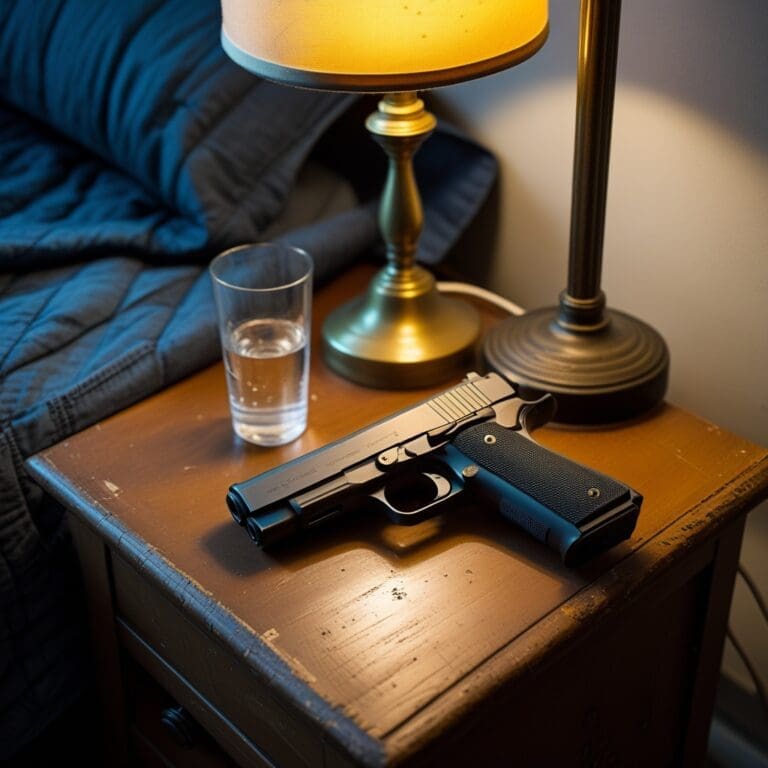
Shotgun safety for home defense means pairing the four universal firearm safety rules with secure storage, deliberate ammunition choices, and a rehearsed response plan so the weapon protects your household instead of endangering it. A shotgun left loaded on a nightstand or stored without a plan creates more risk than it removes. The National Shooting Sports Foundation (NSSF) and firearm manufacturers such as Winchester have spent decades refining storage and handling guidance precisely because home defense scenarios unfold in seconds, in the dark, often with family members nearby. Getting the fundamentals right before an emergency happens is what separates a defensive tool from a liability.
Key Takeaways
- Apply the four rules of firearm safety (treat every gun as loaded, control the muzzle direction, keep your finger off the trigger, know your target and backstop) every single time you handle a shotgun, with no exceptions for familiarity or urgency.
- A 12-gauge or 20-gauge pump or semi-automatic shotgun with an 18 to 20-inch barrel is the standard home defense configuration; barrels under 18 inches on a smoothbore shotgun are federally regulated under the National Firearms Act.
- Quick-access biometric or keypad safes cost roughly $150 to $600 and open in 1 to 3 seconds, far faster than a traditional key lock.
- 00 buckshot is the most common defensive load, but pattern spread and wall penetration must be tested in your own home, not assumed from range charts.
- An estimated 4.6 million children in the United States live in homes with at least one unlocked, loaded firearm, according to research cited by public health researchers and reinforced by Project ChildSafe’s ongoing distribution of more than 40 million free gun locks since 1999.
- A written, rehearsed home defense plan reduces decision time during an actual threat from an estimated 10 to 20 seconds of hesitation down to 3 to 5 seconds of trained response.
Master the Four Rules Before You Ever Load the Shotgun
Every credible firearm safety program, from NSSF training courses to hunter education classes required in all 50 states, builds on the same four rules. Treat every shotgun as if it is loaded, even seconds after you unloaded it yourself. Keep the muzzle pointed in a safe direction at all times, meaning never let it sweep across a person, a window, or a shared wall. Keep your finger off the trigger and outside the trigger guard until your sights are on a confirmed threat. Know your target and what is beyond it, because a shotgun shell fired through drywall can travel through multiple rooms.
These rules sound simple until adrenaline enters the picture. During a nighttime intrusion, your hands may shake, your hearing narrows, and your field of vision tunnels. That physiological stress response is exactly why the rules need to be automatic, not something you recall under pressure. Dry-fire practice with an unloaded, safety-checked shotgun, done at least once a month, builds the muscle memory that survives adrenaline.
A negligent discharge inside a home is not a rare fluke. Data compiled from Centers for Disease Control and Prevention (CDC) reporting shows several hundred unintentional firearm deaths occur annually in the United States, and unsecured or mishandled long guns account for a meaningful share of those incidents. Treating the four rules as optional the moment you feel confident is the single most common failure point among otherwise experienced gun owners.

Choosing the Right Shotgun Configuration for Your Home
Gauge, barrel length, and capacity determine how manageable a shotgun is under stress, and the wrong combination can undermine every other safety habit you build. Most home defense shotguns fall into two gauge categories, each with tradeoffs worth understanding before you buy.
- 12-gauge: The most common defensive gauge, offering the widest ammunition selection and the most stopping power per shot, but with recoil that ranges from 20 to 40 foot-pounds depending on load, which can be difficult for smaller-framed shooters to control across multiple shots.
- 20-gauge: Produces roughly 30 to 40 percent less felt recoil than a 12-gauge with comparable buckshot loads, making it easier to keep on target during rapid follow-up shots, though pellet count per shell is lower.
- .410 bore: Popular in newer compact defensive shotguns, but pellet count and energy are significantly reduced, so it is generally considered a secondary option rather than a primary defensive choice.
Barrel length matters legally and practically. Federal law under the National Firearms Act (26 U.S.C. § 5845) classifies any smoothbore shotgun with a barrel under 18 inches as a short-barreled shotgun, requiring registration, a $200 tax stamp, and an approved ATF Form 1 or Form 4 before possession. Most manufacturers, including Winchester and Mossberg, produce home defense models with 18 to 20-inch barrels specifically to stay clear of that regulatory threshold while remaining maneuverable in hallways and around furniture. A magazine tube capacity of 5 to 8 rounds is standard for defensive models, giving you enough capacity for a real encounter without the added length and weight of a full tactical tube extension most homeowners never need.
Secure Storage Between Threats: Speed Without Sacrificing Safety
A home defense shotgun needs to be quick to grab but impossible for unauthorized hands to reach. Modern safes make both possible at once, so you no longer have to choose between a slow locked cabinet and an unsafe gun left out on a shelf.
- Biometric quick-access safe ($200-$600): Opens by fingerprint in 1-2 seconds. Mount it in a nightstand or closet near the bedroom.
- Keypad quick-access safe ($150-$400): Opens in 2-3 seconds. A solid backup if a biometric sensor fails or hands are wet or gloved.
- Long-gun wall or floor safe ($500-$1,500): Holds the shotgun upright, often bolted to a stud. Best if you want it stored loaded and ready rather than loaded on demand.
- Cable or trigger lock ($10-$30): An extra layer even inside a full safe, useful if kids or teens visit the home.
Since 1999, Project ChildSafe has given out more than 40 million free firearm safety kits, including cable locks, with over 15,000 law enforcement agencies nationwide. That effort exists because storage habits, not gun ownership itself, drive most unintentional injuries. An estimated 4.6 million kids live in homes with a firearm stored loaded and unlocked, which is reason enough to have a real storage plan instead of an informal one.
Only store ammunition separately if your access plan accounts for the extra seconds that costs you. Most home defense experts now recommend keeping the shotgun loaded in a fast-access safe, since a home invasion rarely leaves time to find ammo and load under stress.
Ammunition Selection and Overpenetration Awareness
00 buckshot is the standard home defense load because it balances stopping power with a manageable pattern, but pattern-test your specific shotgun before trusting it in a real scenario. A 2¾-inch 12-gauge shell typically carries 8 to 9 pellets around .33 caliber, while a 3-inch magnum shell can hold up to 12. Pattern spread depends on choke, shell brand, and distance, often widening about 1 inch per yard from a cylinder-bore barrel. That means a shot at 10 yards could spread roughly 10 inches, affecting both accuracy and what’s behind your target.
Birdshot gets marketed as a lower-penetration option, but independent testing shows it still passes through interior drywall, and multiple drywall layers barely slow buckshot or slugs. No shotgun load is truly “safe” indoors in the sense that it won’t pass through walls into another room or building. Know your home’s layout, including which walls back up to a child’s bedroom or a neighbor’s house, before deciding where to stage and where not to fire.
Reduced-recoil buckshot loads from Winchester, Federal, and Remington cut felt recoil by roughly 25 to 30 percent while keeping pellet velocity comparable at typical indoor ranges under 15 yards. Test these at the range before relying on them, since recoil and follow-up shot speed affect how well you stay on target.
Build a Home Defense Plan That Prevents Panic-Driven Mistakes
A written home defense plan turns a chaotic middle-of-the-night decision into a rehearsed sequence, and rehearsal lowers your risk of a tragic mistake. Studies on stress response in law enforcement shooting scenarios show reaction time under sudden threat runs 10 to 20 seconds with no plan, versus 3 to 5 seconds for people who’ve physically practiced their response. That gap matters when every second affects whether you correctly identify a threat before pulling the trigger.
- Designate a safe room with a 5-second retreat rule. Pick a bedroom with a solid door and a phone. Agree that anyone woken by a noise moves there within 5 seconds instead of investigating alone.
- Retrieve the shotgun and verify chamber status audibly. Racking a pump shotgun makes a distinct sound that can deter an intruder, though it should never be your primary defense.
- Call 911 before or right after retrieving the firearm. Suburban police response averages 8 to 11 minutes, so early notification matters even if the threat resolves first.
- Hold position rather than clearing the house. Searching a dark home raises your risk of misidentifying a family member as a threat, a factor in many home defense shooting tragedies.
- Only fire on a positively identified threat with a confirmed backstop. Know your target, and know what’s behind it, every time.
Practice this sequence with an unloaded, safety-verified shotgun at least twice a year with every adult who might need to respond. Kids old enough to be home alone should know the safe room location even if they never touch the firearm.
Train Regularly, Not Just Once at Purchase
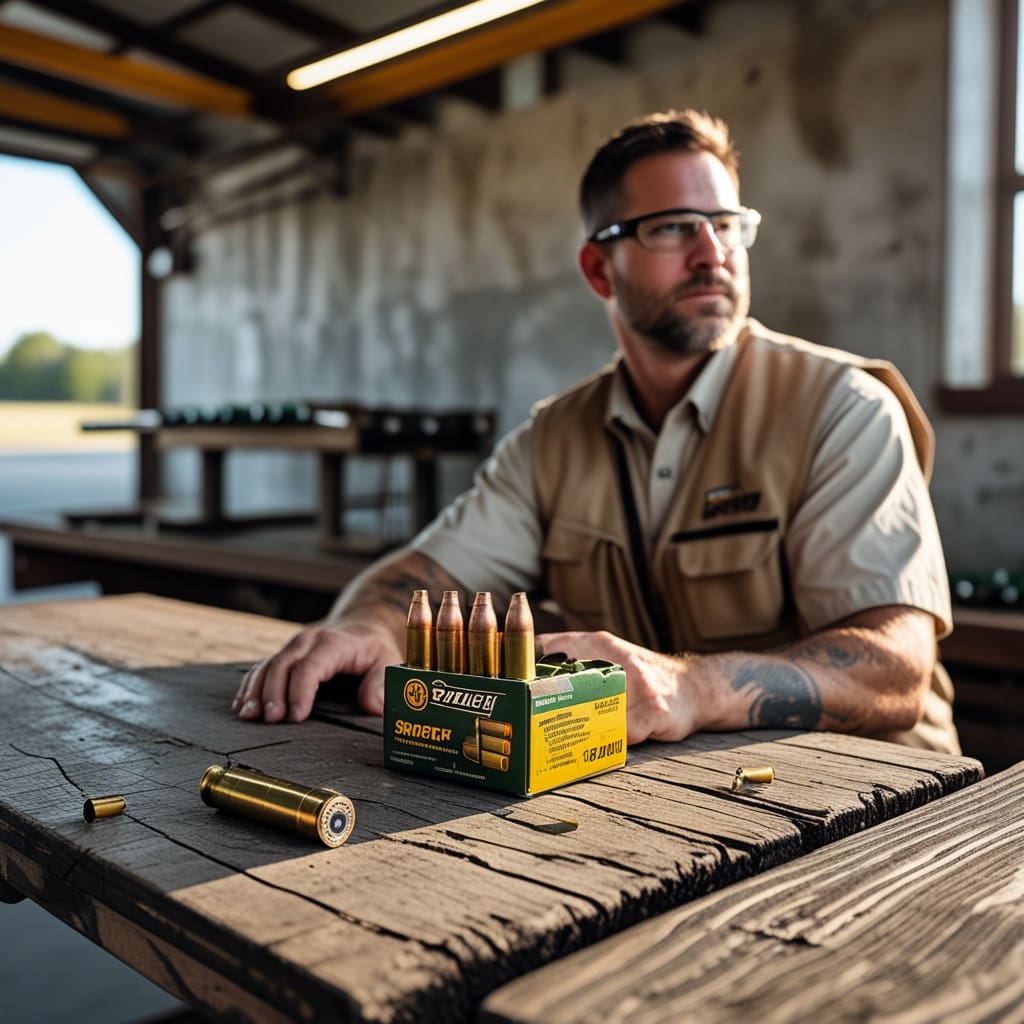
A shotgun purchased for home defense and never fired again at a range is a liability disguised as preparation. NSSF’s First Shots program, offered through participating ranges nationwide, introduces new gun owners to safe handling fundamentals in a supervised setting, typically for a fee of $50 to $100 for a session that includes range time, ammunition, and instructor guidance. Many participating ranges also offer low-light or home-defense-specific courses that simulate the exact conditions, darkness, close quarters, sudden movement, that a real scenario would involve.
Shooting your home defense shotgun at a range at least four times a year keeps recoil management, sight alignment, and reload speed sharp. Reload drills matter as much as the first shot: practicing a tube-fed reload under a timer, aiming for under 3 seconds per shell, builds real competence rather than assumed competence. Many gun owners fire a shotgun once at purchase and never again, which means their only experience with recoil and follow-up shot speed happened years before an actual emergency.
Keep a simple maintenance log alongside your training log. A shotgun stored loaded for months at a time should be function-checked every 90 days, cycling the action, checking for corrosion inside the barrel, and confirming the safety engages and disengages smoothly. A firearm that fails to cycle during an actual threat is functionally the same as having no firearm at all.
Take Action Today, Not After an Incident
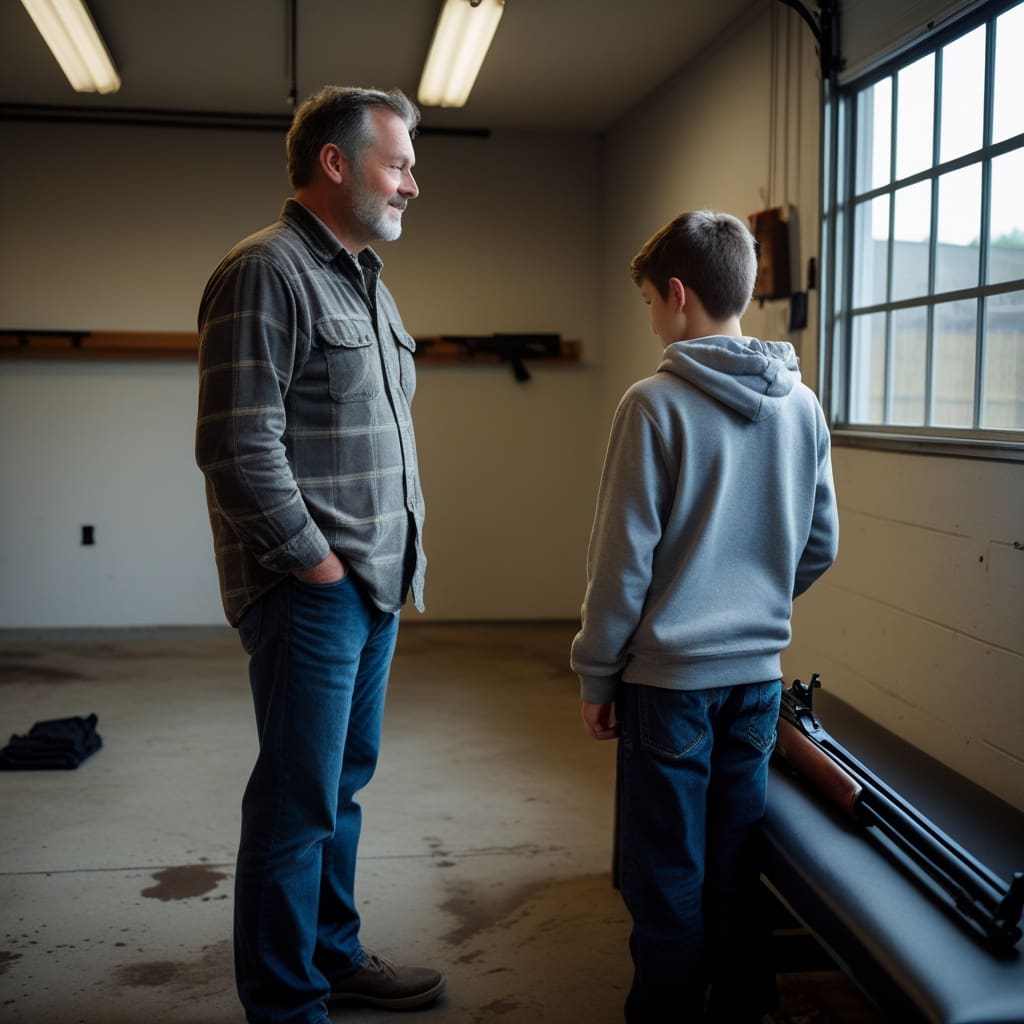
Review your current storage setup this week and identify whether it meets the 3-second access standard without sacrificing the locked-and-secured standard. If your shotgun currently sits loaded on a shelf or leaned in a closet corner, that is the single highest-priority fix available to you, and it costs less than $200 in most cases to correct with a quality quick-access safe. Schedule a range session within the next 30 days if you have not fired your home defense shotgun in the past year, and walk your household through the five-step response plan this weekend while everyone is calm and alert rather than waiting until an actual emergency forces the conversation.
Conclusion
Shotgun safety for home defense rests on habits built before any emergency happens, not decisions made in the middle of one. The four rules of firearm safety, a properly configured shotgun, secure but fast storage, tested ammunition, a rehearsed plan, and regular range time work together as a single system. Skipping any one piece, whether that is skipping storage discipline because a firearm feels urgent to keep accessible, or skipping training because the shotgun feels simple to operate, weakens the entire system. Treat home defense preparation the same way you would treat a smoke detector: installed correctly, tested regularly, and never assumed to work perfectly just because it sat there unused.
Frequently Asked Questions
Is a shotgun a good choice for home defense compared to a handgun?
A shotgun offers more stopping power per shot and an intimidating sound when racked, but it is bulkier to maneuver through hallways than a handgun. Many households choose a shotgun as a primary bedside option and a handgun as a secondary tool for close-quarters movement, depending on the layout of the home and the physical ability of the person defending it.
Should I keep my home defense shotgun loaded at all times?
Most safety experts recommend storing it loaded inside a quick-access safe rather than unloaded, since real intrusions rarely allow time to load ammunition under stress. The tradeoff between loaded storage and unloaded storage should be resolved through a secure quick-access safe, not by leaving the firearm unsecured.
What gauge and barrel length work best for a smaller-framed shooter?
A 20-gauge shotgun with an 18 to 20-inch barrel and a reduced-recoil buckshot load is generally easier to control for smaller-framed or recoil-sensitive shooters. Testing several configurations at a range before purchase is the only reliable way to confirm comfort and follow-up shot speed.
How often should I practice with my home defense shotgun?
Range practice at least four times a year, plus a dry-fire safety check monthly, keeps handling skills and recoil management sharp. A firearm purchased and never practiced with again leaves you with untested skills exactly when you need them most.
Will buckshot go through my walls and hit someone in another room?
Yes, standard drywall provides minimal resistance to buckshot, birdshot, or slugs, and multiple interior walls will not reliably stop a shotgun pellet’s path. Know your home’s layout and confirm a solid backstop before ever discharging a shotgun indoors.