
Yes, you can buy guns online, but the process is not as simple as ordering a book or a pair of shoes. Federal law requires every online firearm purchase to go through a licensed dealer, meaning the gun cannot be shipped directly to your door. Understanding how that system works will save you time, money, and a lot of frustration before you click “buy.”
This guide walks you through the entire process, from finding a firearm online to picking it up at a local dealer near Raleigh. You will also learn what the law requires, who cannot legally buy a gun, and what mistakes first-time buyers commonly make.
Ready to learn more? Browse the full selection of firearms and accessories available through the Trigger Works online shop and find your next firearm today.
How Buying a Gun Online Actually Works
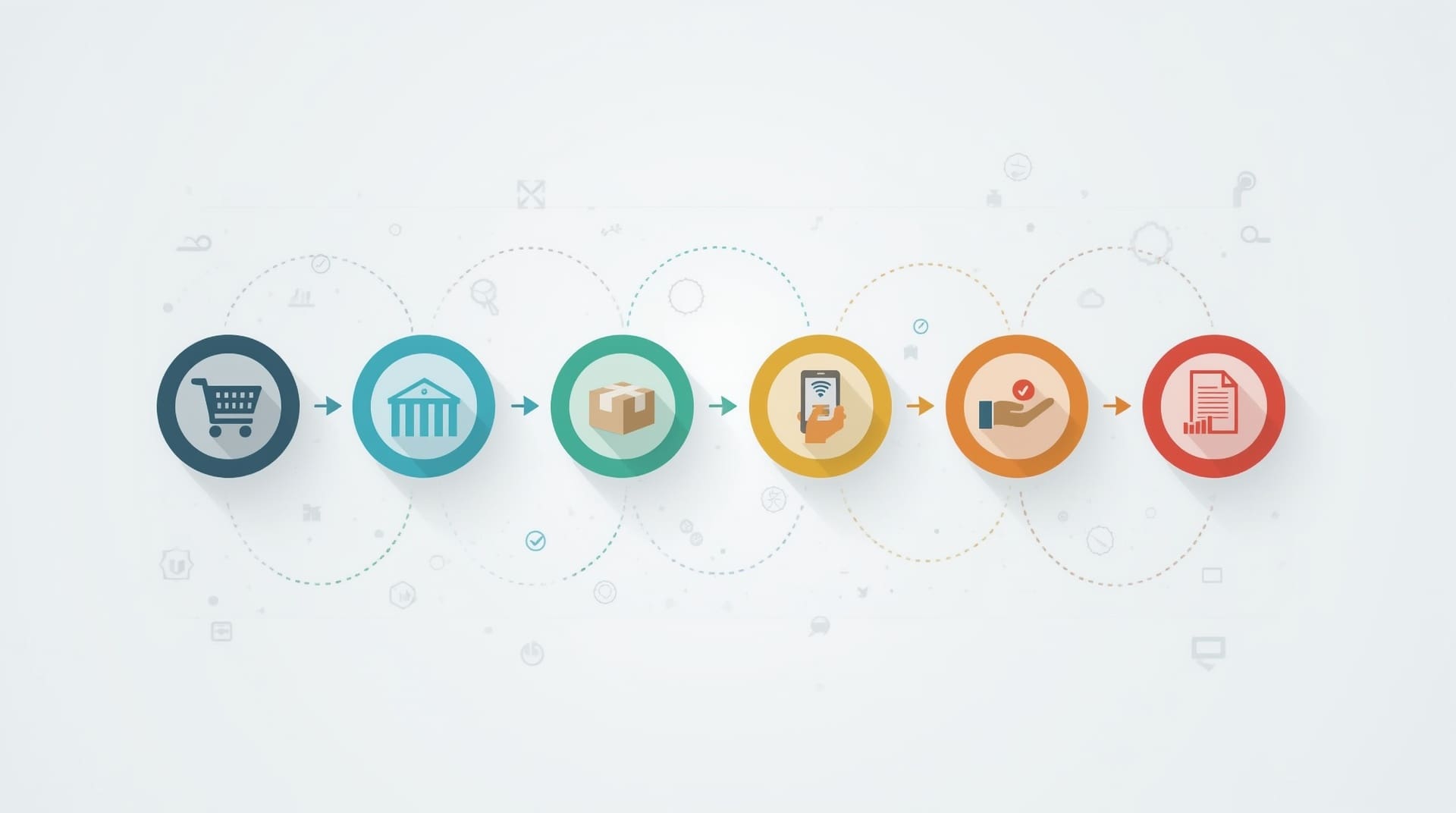
Buying a gun online is legal under federal law, but the firearm cannot be mailed directly to you. Instead, the online retailer ships the gun to a federally licensed firearms dealer, called an FFL (Federal Firearms Licensee), near you. You pick up the gun at that FFL location after completing the required paperwork and background check.
Think of the online store as the seller and the local FFL as the transfer agent. The online dealer handles the sale and ships the firearm. The local FFL handles the legal transfer to you. You typically pay a small transfer fee to the FFL for this service, and that fee varies by dealer.
The steps look like this in practice:
- Find and purchase a firearm from a licensed online retailer.
- Provide the online retailer with your chosen local FFL’s information.
- The retailer ships the gun to that FFL.
- The FFL contacts you when the gun arrives.
- You visit the FFL, complete ATF Form 4473, and pass a background check.
- You take possession of the firearm.
What Federal Law Requires for Online Gun Sales
The Gun Control Act of 1968 is the foundation for all firearm transfer rules in the United States. It requires that any firearm transferred between private parties across state lines go through a licensed dealer. Online purchases almost always cross state lines, so this rule applies to nearly every transaction.
Every buyer must complete ATF Form 4473, the Firearms Transaction Record. This form collects your personal information and asks a series of eligibility questions. You must answer honestly. Lying on Form 4473 is a federal felony.
After you fill out the form, the FFL runs a background check through the National Instant Criminal Background Check System, known as NICS. The system checks your name against federal and state criminal records, domestic violence records, mental health adjudications, and other disqualifying databases. Most checks come back in minutes. Some require more time if the system needs to gather additional records.
Who Is Not Allowed to Buy a Gun Online or In Person
Federal law bars certain people from buying or possessing firearms, regardless of where the purchase happens. Online sales do not create a loophole. The same background check applies.
You cannot legally purchase a firearm if you fall into any of these categories:
- You have been convicted of a felony.
- You are under indictment for a felony.
- You have been convicted of a domestic violence misdemeanor.
- You are subject to a qualifying domestic violence restraining order.
- You have been adjudicated as mentally defective or committed to a mental institution.
- You are an unlawful user of or addicted to a controlled substance.
- You are an undocumented immigrant or are in the country on a nonimmigrant visa (with limited exceptions).
- You have renounced your United States citizenship.
- You have been dishonorably discharged from the military.
- You are a fugitive from justice.
State laws can add more restrictions on top of federal ones. North Carolina, for example, has its own requirements that may affect certain purchases.
How a Felony Conviction Affects Your Ability to Buy a Gun
A felony conviction creates a permanent federal bar to firearm ownership in most cases. This applies to online purchases exactly as it does to in-store purchases. The background check will flag the conviction and the transfer will be denied.
Some people wonder whether a state pardon or expungement restores their gun rights. The answer depends on the state and the specific relief granted. Federal law has its own standards for what counts as a restoration of rights, and not every state pardon meets those standards. If you have a prior conviction and questions about your eligibility, consult a licensed attorney before attempting a purchase.
How to Find a Local FFL for Your Online Purchase
Finding an FFL near you is straightforward. Most online retailers have a built-in FFL locator tool. You enter your zip code and the system returns a list of licensed dealers in your area. You can also search the ATF’s published database of licensed dealers by state and city.
Once you pick an FFL, contact them before completing your purchase. Confirm they accept transfers from outside dealers and ask what their transfer fee is. Some dealers charge a flat fee per transfer. Others charge more for certain firearm types. Knowing the fee upfront prevents surprises.
In the Raleigh area, several gun shops and sporting goods stores serve as FFL transfer points. Call ahead, ask about the process, and make sure the dealer is comfortable working with the online retailer you are using.
How Online Gun Shipping Works and What to Expect
Online firearm retailers ship guns through federally compliant carriers. Handguns must ship via overnight air. Long guns, such as rifles and shotguns, can ship ground. This is why shipping costs for handguns are often noticeably higher than for long guns.
The package goes directly to your chosen FFL. It does not come to your home address, period. The FFL signs for the shipment on arrival, inspects the package for damage, and logs the firearm into their bound book, which is the official record of all firearms received and transferred at a licensed dealer.
Transit times vary by retailer and location. Most online purchases arrive at the FFL within three to seven business days after shipping. High-demand periods around holidays can stretch that timeline. Review the retailer’s shipping policy before buying so you know what to expect.
What Happens at the FFL When You Pick Up Your Gun

When your gun arrives, the FFL will call or email you. Bring a valid government-issued photo ID to the pickup. If your state requires a purchase permit or pistol permit for handguns, bring that document too.
You will fill out ATF Form 4473 at the counter. The FFL will then initiate the NICS background check. If the check comes back “proceed,” the transfer is complete and you leave with your firearm. If the check returns “delayed,” the FFL must wait up to three business days before releasing the gun. A “denied” response means the transfer cannot proceed.
Inspect the firearm carefully before leaving the shop. Check it against the description and photos from the online listing. If there is any damage that occurred during shipping, document it immediately with the FFL present and contact the online retailer right away.
North Carolina State Requirements for Buying a Handgun
North Carolina has an additional requirement for handgun purchases that many new buyers overlook. The state requires buyers to obtain a pistol purchase permit from their local county sheriff before buying a handgun, unless the buyer holds a valid North Carolina concealed handgun permit, which serves as an exemption.
The pistol purchase permit application is submitted to the sheriff’s office in the county where you live. The sheriff runs a state background check and, if approved, issues the permit. Each permit covers one handgun purchase and is valid for five years from the date of issue.
If you are buying a rifle or shotgun, no purchase permit is required under North Carolina law. Federal background check requirements still apply to all purchases regardless of firearm type.
Common Mistakes First-Time Online Gun Buyers Make

Many first-time buyers assume the process is the same as buying any other product online. It is not. Skipping the steps below creates delays or outright problems with your purchase.
- Not contacting the FFL first. Always confirm the FFL accepts transfers before you buy. Not every gun shop does.
- Choosing the wrong FFL address. Double-check the FFL’s address when you submit it to the online retailer. A typo can reroute your shipment.
- Ignoring state permit requirements. In North Carolina, buying a handgun without the required permit will stop the transfer cold.
- Underestimating total cost. Add the firearm price, shipping, and FFL transfer fee together before comparing online vs. local pricing. Sometimes in-store prices are competitive once you factor in all costs.
- Not reading the return policy. Online gun sales have stricter return rules than most retail purchases. Understand the policy before you buy.
What Types of Firearms You Can and Cannot Buy Online
Most standard firearms, including handguns, rifles, and shotguns, are available for purchase online through licensed retailers. The same federal and state laws apply regardless of where you shop.
Certain items require additional federal paperwork and a tax stamp through the National Firearms Act (NFA) process. These include suppressors, short-barreled rifles, short-barreled shotguns, and fully automatic firearms. NFA items can be purchased online, but the transfer process is significantly longer and more involved than a standard firearm purchase.
You cannot buy certain items online at all. Receivers classified as the serialized, regulated component of a firearm still require FFL transfer. Buyers researching options like a pump shotgun for home defense or a concealed carry pistol will find the standard online purchase process applies cleanly to those categories without NFA complications.
Choosing the Right Firearm Before You Buy Online
The best concealed carry guns for women, entry-level home defense rifles, and hunting shotguns each suit different purposes. Buy online only after you have handled similar models in person. The ergonomics of a firearm matter far more than its online photos suggest.
If possible, visit a local range that rents firearms before making a purchase. Test the trigger pull, grip fit, and recoil. Then search online for the exact model you prefer. Many buyers find they can get a better price online once they have already identified the specific firearm they want through hands-on testing.
Reading detailed buyer guides for your firearm category helps narrow your choice. Topics like home defense shotgun selection, caliber choice for personal protection, and capacity vs. concealability all factor into the right decision for your situation. Do that research before clicking “add to cart.”
Final Thoughts on Buying Guns Online
You absolutely can buy guns online legally, and millions of Americans do it every year. The process is well-established, federally regulated, and straightforward once you understand the steps. The key is knowing that the gun goes to an FFL first, not directly to you, and that the same background check applies as in any gun store.
Take time to understand your state’s requirements, find a reliable local FFL, and read the online retailer’s shipping and return policies before you buy. Do those things and the process will go smoothly from order to pickup.
Frequently Asked Questions About Buying Guns Online
Can a gun be shipped directly to my house?
No. Federal law prohibits shipping a firearm directly to a buyer’s home unless the buyer holds a federal firearms license. All online purchases must ship to a licensed FFL dealer near you. You pick up the firearm at that dealer after completing paperwork and a background check.
How long does an online gun purchase take from order to pickup?
Most online purchases reach the local FFL within three to seven business days after shipping. Add the time for Form 4473 processing and the NICS background check at pickup, which usually takes less than an hour. If the check is delayed, it can add up to three business days before the dealer can release the firearm.
Is it cheaper to buy a gun online than in a store?
Online prices are often lower on the firearm itself, but you need to add shipping and the FFL transfer fee to get a true comparison. For some purchases, particularly common handguns and rifles, the total cost ends up being similar to buying in-store. Online shopping gives you access to a much wider inventory, which is the bigger advantage.
Do I still need to pass a background check if I buy online?
Yes, always. The background check through NICS happens at the FFL when you pick up the firearm. It does not matter where you bought the gun or how you paid. The same federal check applies to every firearm transfer through a licensed dealer, whether the purchase was made online or in the store.
What is an FFL transfer fee and how much does it cost?
An FFL transfer fee is the charge a local licensed dealer makes for receiving a firearm on your behalf, logging it in their records, and completing the legal transfer to you. The fee varies by dealer. Some charge a flat rate per firearm, others charge more for NFA items or handguns specifically. Call your local FFL to confirm their fee before completing your online purchase.


