Express delivery and free returns within 30 days
- info@triggerworks.com

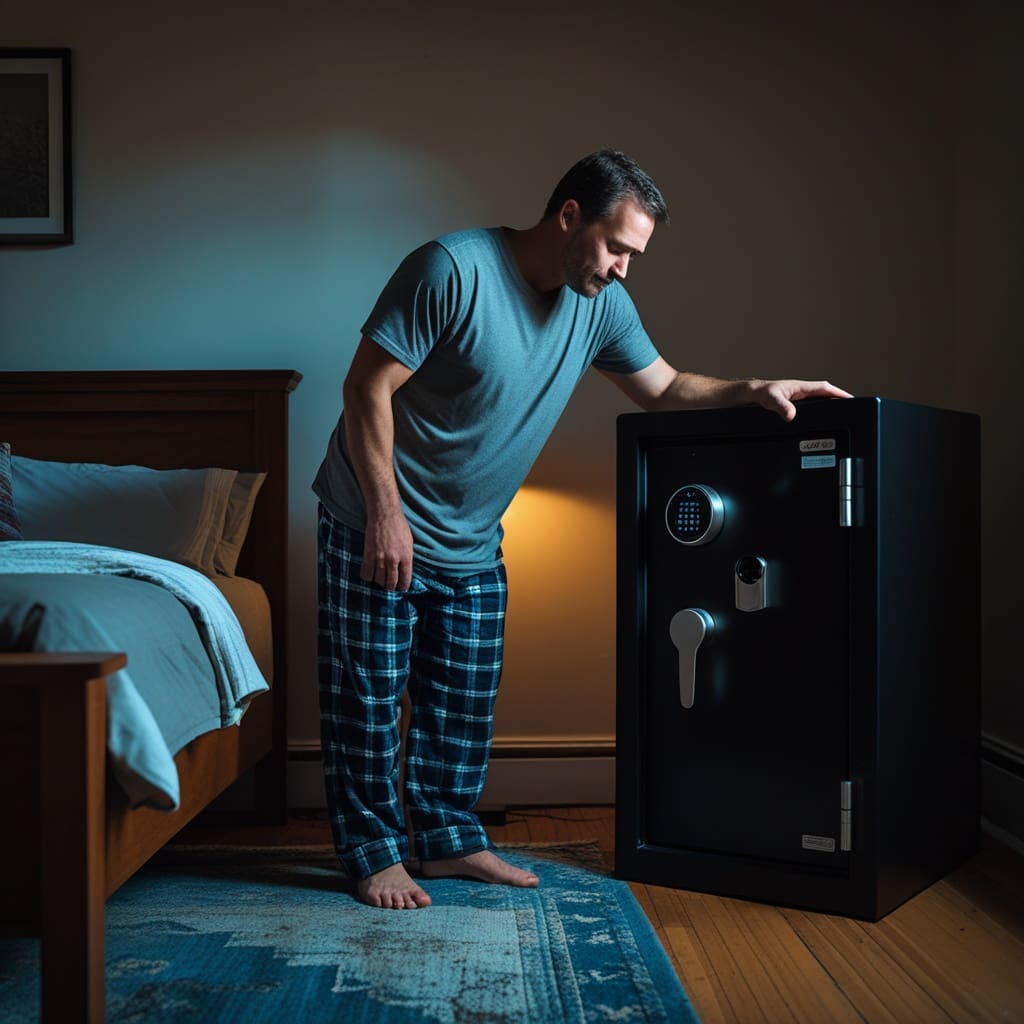
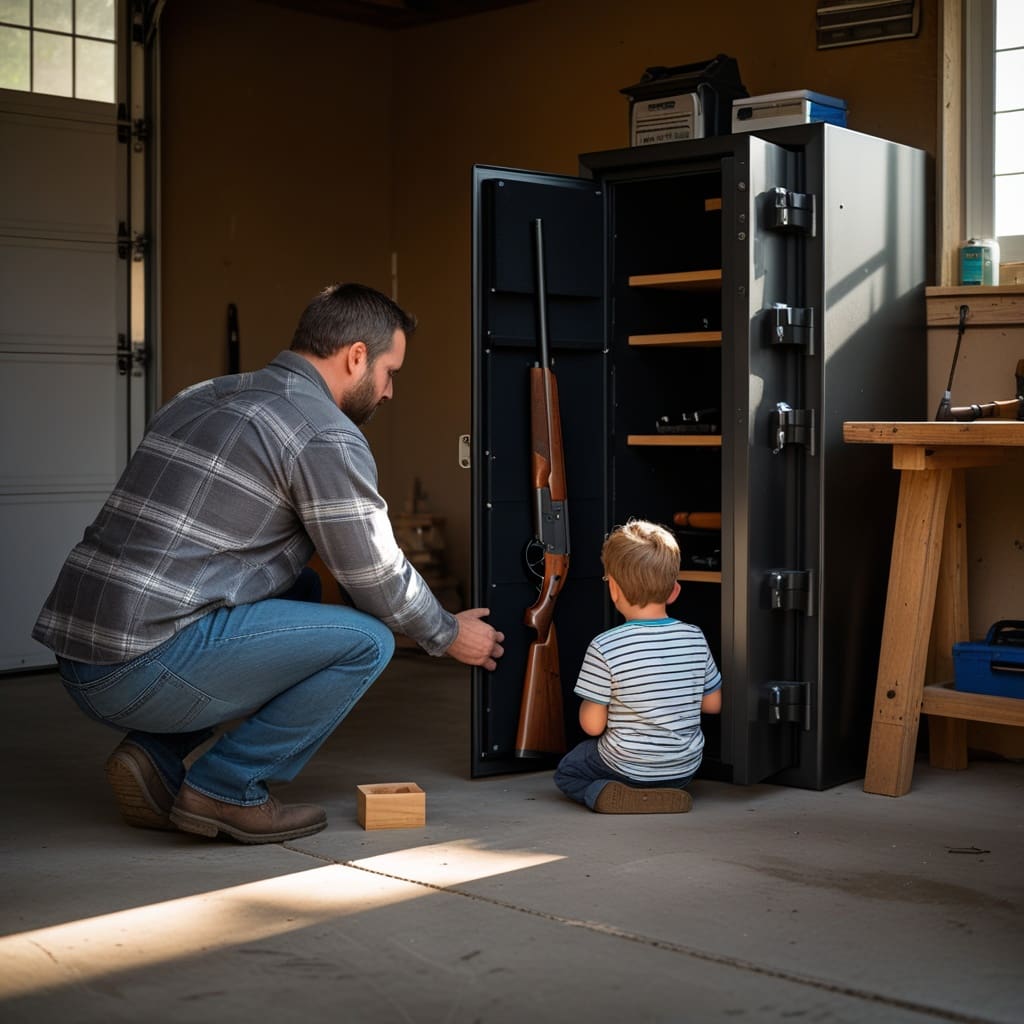
The safest way to store a shotgun with kids in the house is to keep it unloaded, locked in a gun safe, with ammunition stored separately in its own locked container. Firearms have become the leading cause of death among children and teens in the United States, and roughly 4.6 million American children live in homes with at least one unlocked, loaded gun, according to research published by the Journal of Urban Health and cited by groups like Everytown for Gun Safety. A shotgun left in a closet or leaning behind a door takes seconds for a curious child to find. The good news is that proper storage cuts that risk dramatically, and it does not require an expensive overhaul of your home.
Unintentional shootings involving children happen more often than most parents assume. The Centers for Disease Control and Prevention has reported that firearms surpassed motor vehicle crashes as the number one cause of death for children and teens ages 1 through 17 in recent years. A significant share of these deaths are unintentional shootings that occur in the home, frequently involving a gun the child knew about or found while playing.
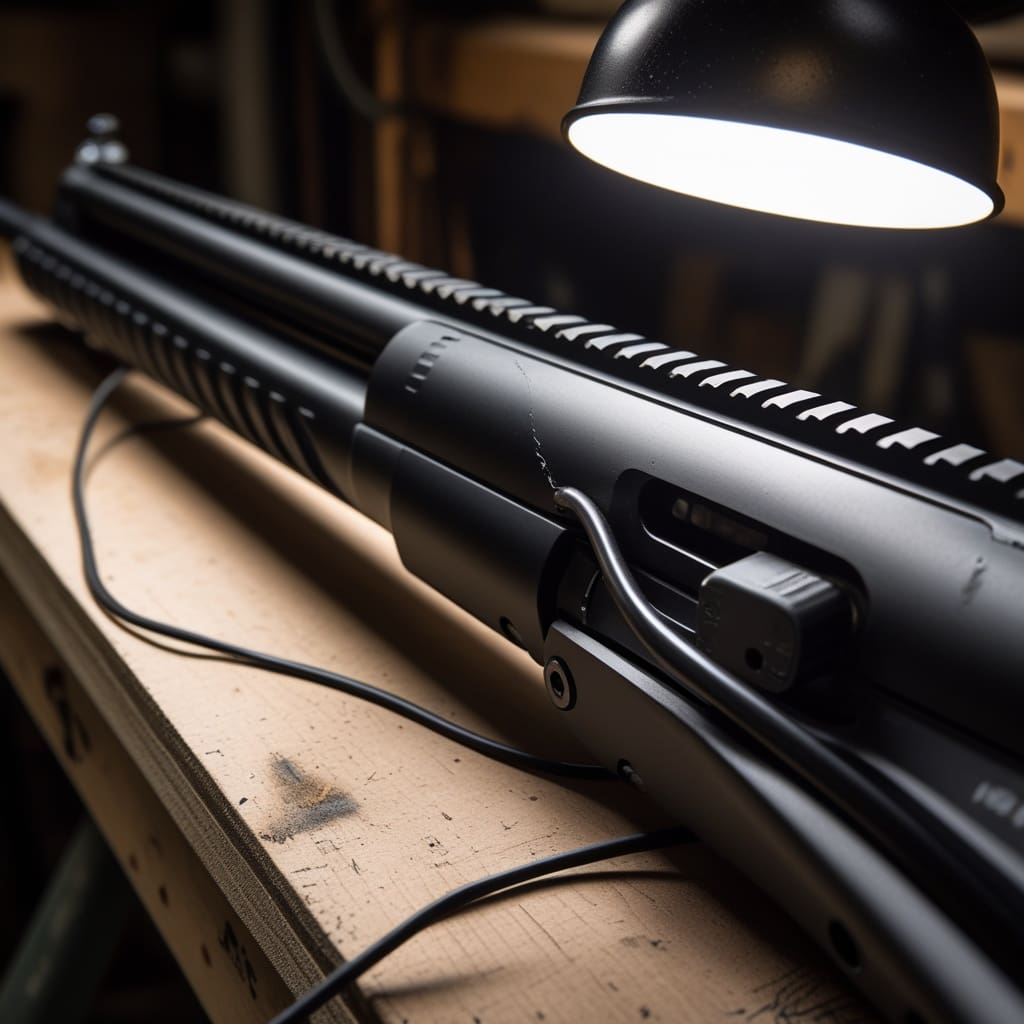
Shotguns present a unique risk compared with handguns because of their size and appearance. Many parents assume a long gun is harder for a child to access or fire, but shotguns are often stored in obvious places like closets, behind bedroom doors, or in a corner of a garage, precisely because they are bulky and inconvenient to lock away. That convenience is exactly what makes them dangerous. A child as young as eight years old has enough grip and finger strength to pull a shotgun trigger, and curiosity, not malice, drives most of these incidents.
A locked, unloaded shotgun with ammunition stored separately is not a suggestion; it is the baseline standard recommended by every major pediatric and firearms safety organization in the country.
Suicide risk is another factor parents often overlook. Access to a firearm in the home is one of the strongest predictors of death by suicide among teenagers, and the method is frequently a family-owned gun that was not locked up. Secure storage does not just prevent accidents; it creates a critical barrier during a moment of crisis.
Safe storage takes more than one lock or one good habit. It works as a system, following guidance from the National Shooting Sports Foundation, the American Academy of Pediatrics, and firearms retailers.
Storage options vary by budget and how many guns you own. Here’s how the main choices stack up on price and security.
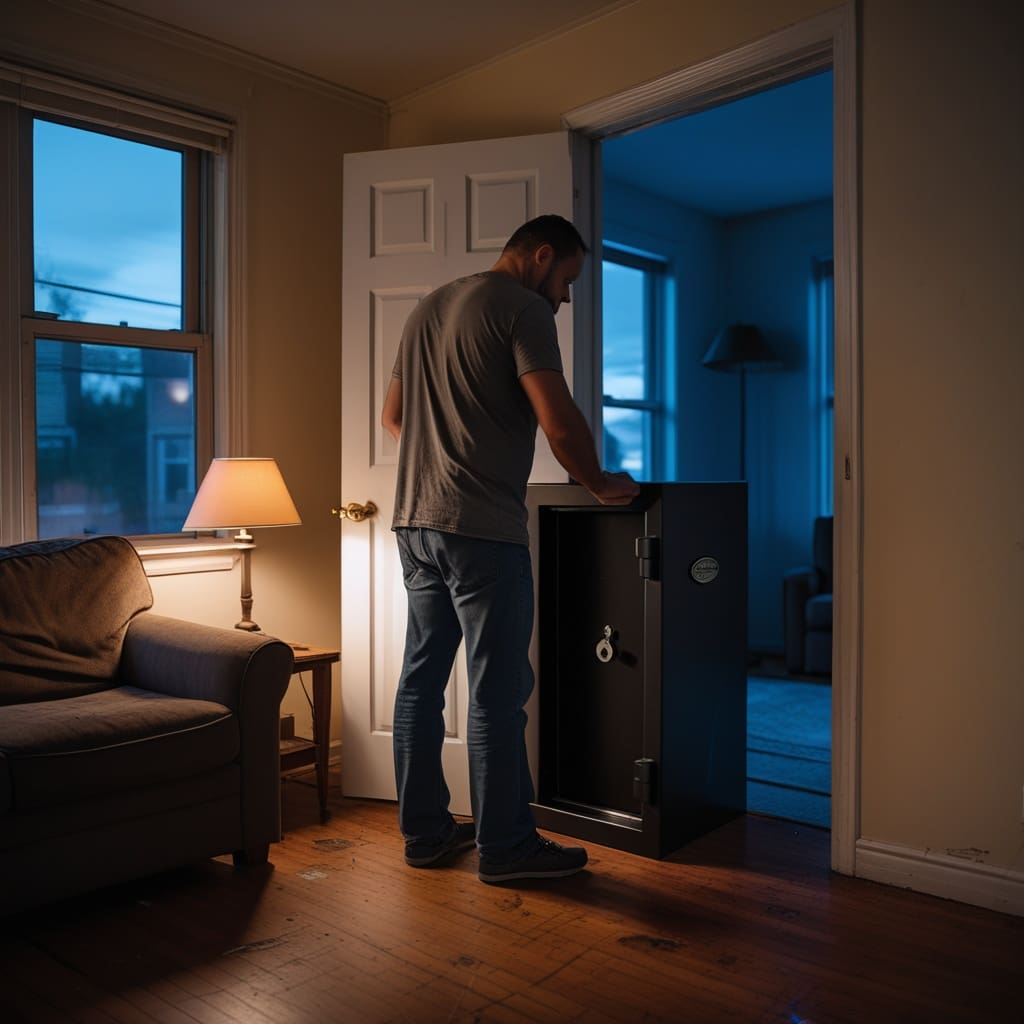
Bolt the safe to a wall stud or the floor. Left unsecured, it can just be tipped over or carried off, which defeats the point.
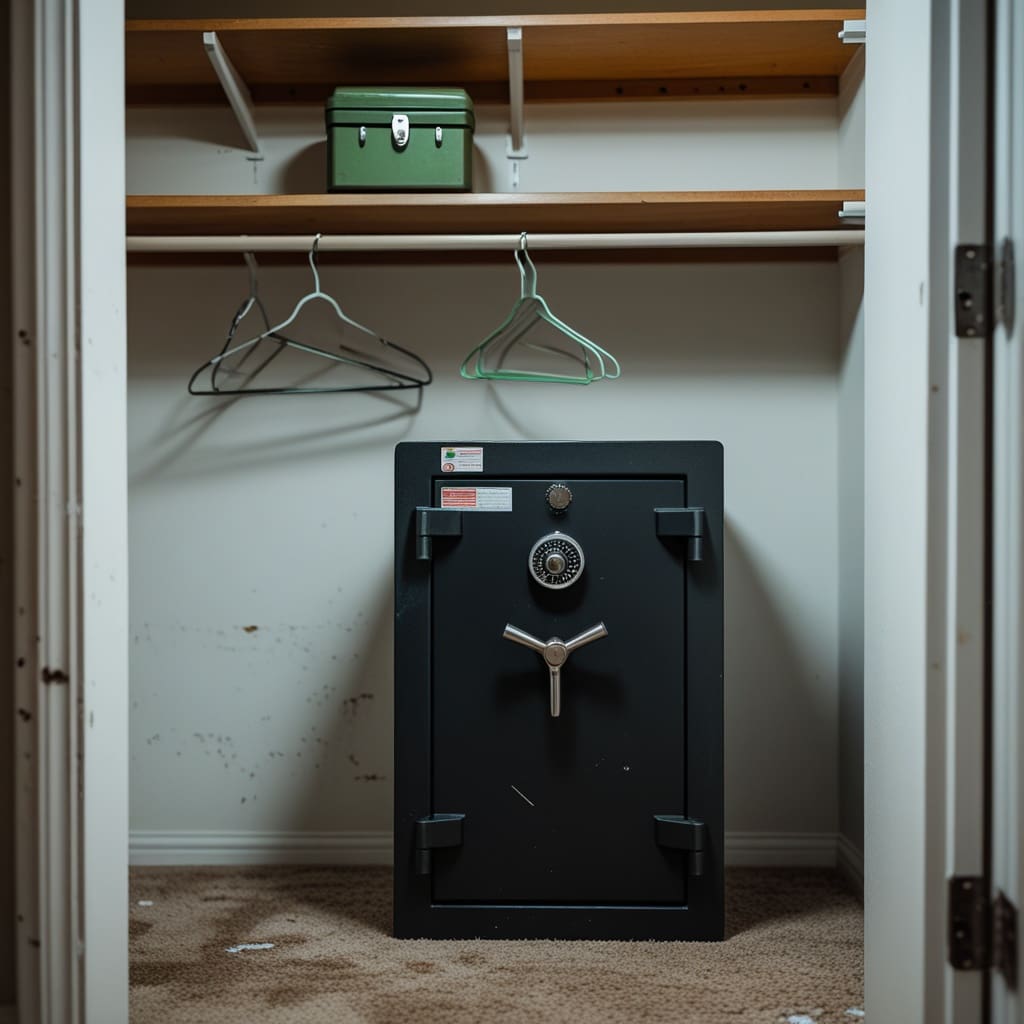
Storage rules are not just good practice; in many states, they carry legal weight. Child Access Prevention (CAP) laws hold adults criminally or civilly liable when a minor gains access to an improperly stored firearm, regardless of whether an injury occurs. As of 2026, at least 34 states and Washington, D.C. have some version of a CAP law on the books, though the strength and enforcement vary widely.
Massachusetts has one of the strictest standards in the country, requiring that all firearms, including shotguns, be stored with a locking device or in a locked container whenever not in the owner’s immediate possession or control, regardless of whether children are present in the home. States like California, New York, and Connecticut require secure storage specifically when the owner knows or reasonably should know a minor is likely to access the firearm. Other states, including Texas and Florida, impose liability if a child under a specific age (17 in Texas, 16 in Florida) obtains a negligently stored firearm and causes injury or death.
Penalties for violating a CAP law range from misdemeanor charges carrying fines of a few hundred dollars up to felony charges in cases where a child is seriously injured or killed. Even in states without a specific CAP statute, a parent could still face general negligence or manslaughter charges if a stored shotgun leads to a child’s death. Checking your own state’s exact requirements through your state attorney general’s website is worth the ten minutes it takes, since requirements do shift from year to year.
Physical storage stops most access, but it does not replace conversation. Children who encounter a firearm at a friend’s house, a relative’s home, or in an unexpected setting need to know what to do in that moment. The National Shooting Sports Foundation’s “Own It, Respect It, Secure It” campaign and the National Rifle Association’s Eddie Eagle GunSafe Program both teach a simple four-step response for kids who find a gun: stop, do not touch, leave the area, tell an adult.
This message works best when it is repeated calmly and without drama, ideally starting around age four or five and reinforced through elementary school. Framing the conversation around safety rather than fear tends to stick better than scare tactics, which research suggests children often ignore or forget under real curiosity or peer pressure. It also helps to be specific about your own shotgun: where it is stored, that it is always locked, and that touching it without a parent present is never allowed under any circumstance.
Older children and teenagers, particularly those old enough to hunt or handle a shotgun under supervision, benefit from formal training. Most states require hunters born after a certain year (commonly 1975 or later) to complete a hunter education course before purchasing a hunting license, and these courses typically run four to ten hours, either in person or through a blended online-and-field-day format, at a cost of $10 to $40. That formal training reinforces the same habits you are teaching at home: treat every gun as loaded, keep the muzzle pointed in a safe direction, and keep fingers off the trigger until ready to shoot.
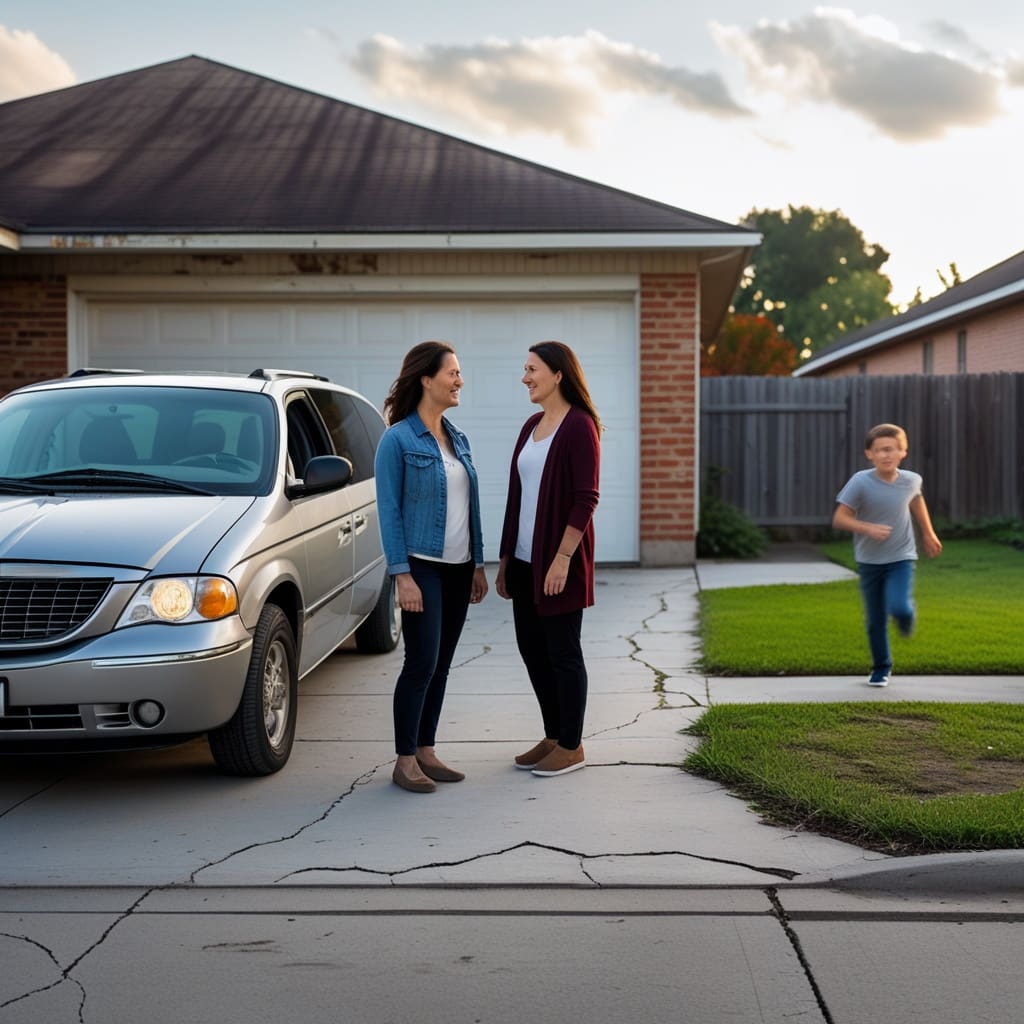
Roughly one in three American homes with children also contains at least one firearm, which means the question of storage extends beyond your own household. Asking another parent whether they store guns securely can feel awkward, but most parents already ask about pool supervision, food allergies, or screen time rules before a playdate. Gun storage deserves the same treatment.
A simple, non-confrontational way to raise it is to fold it into a broader safety question: “Before the kids play together, do you keep any guns, pools, or medications that I should know about?” This framing normalizes the question rather than singling out firearms specifically, which tends to reduce defensiveness. If the answer is unclear or uncomfortable, hosting the playdate at your own home is a reasonable and low-friction alternative.
Community organizations, including Be SMART, a program run through Everytown for Gun Safety, provide printable conversation cards and talking points specifically designed for this kind of exchange between parents. Using a script someone else wrote can make the first few conversations feel less personal and more like standard practice.
Even well-intentioned gun owners fall into a few predictable traps. Recognizing these patterns is often the fastest way to fix them.
If your shotgun is not currently locked in a dedicated safe with ammunition stored separately, treat this week as the deadline to fix that. Measure your available space, decide on a budget between $200 and $800 for a mid-range steel safe, and install it before the next time your children have friends over or a relative visits with kids in tow. Pair that purchase with a single honest conversation with your children about what to do if they ever find a gun, whether it is yours or someone else’s. Neither step takes more than a weekend, and both matter more than almost anything else you will do this year to protect your family.
Storing a shotgun safely around children comes down to a short list of consistent habits: unload it, lock it in a proper safe, separate the ammunition, and talk openly with your kids about what to do if they ever encounter a firearm anywhere. None of these steps require special expertise, and most of them cost less than a typical monthly grocery bill. Given that firearms now account for more child deaths annually than car accidents in the United States, the time and modest expense involved in secure storage are difficult to argue against. Review your own setup this week rather than assuming it is already adequate, since assumptions are exactly what lead to the incidents these steps are designed to prevent.
No, a trigger lock alone is not sufficient protection. It prevents the gun from firing but still leaves the firearm visible and physically accessible to a child, which can encourage handling or attempts to remove the lock. Pair a trigger or cable lock with a locked safe or cabinet for real protection.
Ammunition should be locked in a separate container, away from the firearm itself. Most Child Access Prevention laws specifically require this separation, and it adds a critical second barrier even if a child somehow accesses the gun safe.
Around age four or five is a reasonable starting point. Keep the message simple, such as “stop, do not touch, leave, tell an adult,” and repeat it periodically through elementary and middle school as your child’s understanding grows.
Yes, in most states you can face criminal or civil liability. At least 34 states and Washington, D.C. have Child Access Prevention laws, with penalties ranging from misdemeanor fines to felony charges if a child is seriously injured or killed due to negligent storage.
A secure setup typically costs between $250 and $800 total. That range usually covers a steel gun cabinet or safe ($200 to $500), a separate locked ammunition box ($20 to $60), and an optional cable lock ($10 to $30) as a backup layer of protection.