Express delivery and free returns within 30 days
- info@triggerworks.com


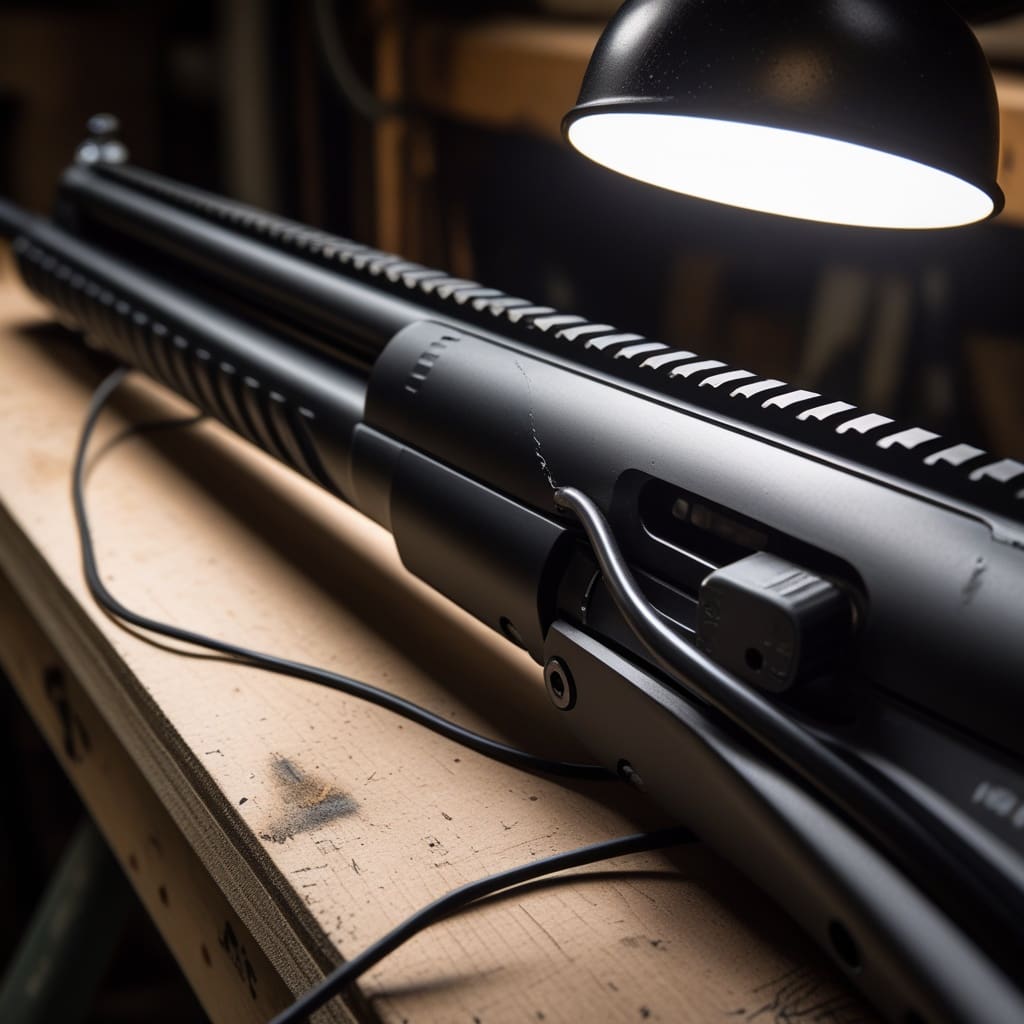
A gas-operated semi-auto is one of the most comfortable and capable shotgun platforms available. It chambers a round, fires it, and automatically loads the next one, all while spreading the recoil impulse over a longer cycle time. The result is a noticeably softer push against your shoulder compared to a pump or inertia-driven gun.
If you shoot frequently, hunt birds in the field, or want a home defense shotgun that is easier to control under stress, the gas system shotgun deserves a close look. This guide explains exactly how the platform works, who it suits best, and what to consider before you buy.
Ready to learn more? Browse our full selection of shotguns and accessories at the Trigger Works shop.

Every gas-operated semi-auto borrows a small amount of propellant gas from the burning powder charge. When you pull the trigger, the shot charge travels down the barrel. Before it exits, some of that high-pressure gas bleeds off through a small port drilled into the barrel wall.
That tapped gas travels into a cylinder, pushes a piston rearward, and drives the bolt carrier back. As the bolt moves back, it extracts and ejects the spent hull. A return spring then drives everything forward again, strips a fresh shell from the magazine tube, and chambers it. The whole sequence takes a fraction of a second.
The key detail is timing. Gas-operated actions spread the recoil event across the entire operating cycle, not just the instant of firing. That time delay is what creates the sensation of reduced recoil semi auto shooters often describe as a gentle push rather than a sharp slap.
The most obvious benefit is comfort. A gas system shotgun absorbs a meaningful portion of felt recoil before it reaches your shoulder. That matters on a dove field where you might fire fifty shells in an afternoon, and it matters in a defensive situation where pain or flinching can break your concentration.
Faster follow-up shots are the second major advantage. Because the action cycles automatically, you only need to aim and press the trigger again. There is no manual pump stroke to execute under pressure. For competitive shooters and hunters facing a fast-flushing covey, that speed is a real asset.
A third benefit is reduced muzzle flip. The gas cycling action tends to keep the muzzle tracking more steadily between shots, which helps you reacquire your sight picture quickly. Over a long shooting session, that consistency adds up to tighter patterns and less fatigue.

Inertia-driven semi-autos use the recoil energy of the shot itself to cycle the action. The bolt compresses a spring on firing, and that stored energy drives the cycle. These guns are typically simpler inside, with fewer parts, and they shed fouling more easily in wet or dusty conditions.
The trade-off is felt recoil. Because an inertia gun relies on sharp recoil to function, it cannot soften the impulse the way a gas system can. Inertia guns also generally need full-power loads to cycle reliably, while many gas-operated models handle light target loads without issue.
| Feature | Gas-Operated | Inertia-Driven |
|---|---|---|
| Felt Recoil | Lower (gas absorbs energy) | Higher (recoil drives cycle) |
| Light Load Reliability | Good to excellent | Requires full-power loads |
| Parts Complexity | More components, more cleaning | Fewer parts, simpler field strip |
| Weight | Slightly heavier | Slightly lighter |
| Best For | High-volume shooting, new shooters | Field hunting, minimal maintenance |
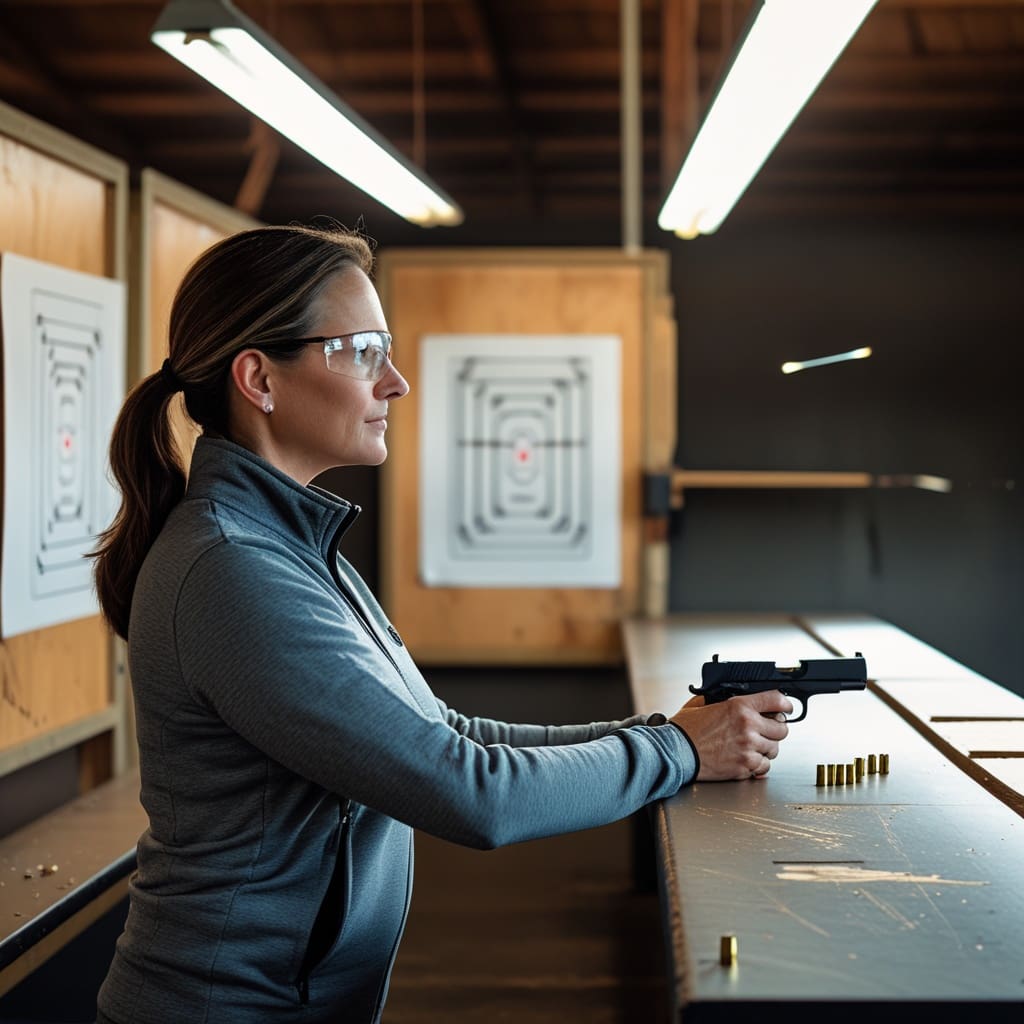
New shooters gain the most from a gas-operated platform. A lighter recoil impulse means less flinching, better shot placement, and a more enjoyable first experience with a shotgun. Building good habits is much easier when the gun does not punish you for every pull of the trigger.
High-volume clay target shooters and competitive sporting clays participants also benefit significantly. When you run two hundred shells through a gun in a single afternoon, the cumulative effect of reduced recoil becomes very real. Your shoulder stays fresher, your scores stay higher, and you come back the next weekend.
Smaller-framed shooters and younger hunters face a similar equation. Lighter loads such as 7/8-ounce target loads cycle reliably in most gas guns, which means these shooters can stay comfortable without sacrificing the semi-auto advantage. The platform also works well for anyone recovering from a shoulder injury who still wants to shoot regularly.
A gas-operated semi-auto for home defense offers a compelling combination of speed and control. You can engage a threat, recover from recoil quickly, and fire again without any manual action. In a high-stress situation, removing mechanical steps from the equation reduces the chance of a fumble.
The tactical semi-auto 12-gauge is a popular choice for this role. It pairs the power of a 12-gauge load with the cycling speed and softer recoil of a gas-operated action. Buckshot delivers decisive stopping power, and the semi-auto format means the gun is ready for a follow-up shot the instant you need one.
One consideration for home defense is ammunition selection. Gas-operated guns cycle most reliably with standard 2.75-inch shells. Some models handle 3-inch magnums as well, but check your specific gun’s manual to confirm compatibility. Running the exact ammunition your gun was designed for keeps the cycling dependable when it matters most.
Not every gas-operated semi-auto handles every shell equally. Older designs with fixed gas systems were sometimes finicky with very light loads. Modern self-regulating gas systems, which automatically adjust the amount of gas bled off based on the power of the load, have largely solved this problem.
For hunting applications, most gas guns cycle 1-ounce and heavier field loads without complaint. For clay sports, 7/8-ounce and 1-ounce target loads run smoothly in self-regulating models. If you mix load types in a single session, a self-regulating gun is the right choice for reliable function.
Steel shot for waterfowl is a special case. Not every gas-operated shotgun is rated for steel shot, and using it in an incompatible gun can damage the barrel or gas system. Always verify that your specific model is approved for steel before loading up for a duck blind.

The gas system is the most important area to keep clean. Powder residue and carbon build up inside the gas cylinder and on the piston over time. If you let that buildup go unchecked, the gun will eventually start short-cycling, meaning the action does not travel far enough back to reliably eject and chamber a shell.
A good maintenance routine after every shooting session takes about fifteen to twenty minutes. Remove the barrel, pull the piston and piston seal, and scrub the cylinder bore with a bronze brush and solvent. Wipe carbon off the piston face, lightly oil the moving parts, and reassemble. That simple habit keeps a gas gun running smoothly for years.
Some shooters find the extra cleaning step annoying compared to an inertia gun or a pump. That is a fair trade-off to weigh. If you dislike detailed cleaning, an inertia-driven gun may suit your habits better. If you shoot a lot and want the softest recoil available, the extra five minutes of maintenance is a reasonable price.
Gas port design matters more than many buyers realize. Self-regulating systems that vent excess gas are more versatile than fixed-port designs. Look for this feature if you plan to shoot a variety of load types.
Stock fit directly affects how well recoil reduction works for you. A stock that is too long or too short pushes the gun out of position, which means the gas system cannot do its job properly. Many gas-operated models offer shim kits or interchangeable spacers so you can dial in length of pull, cast, and drop.
Magazine capacity is also worth noting. Most standard gas-operated shotguns hold four or five shells in the tube plus one in the chamber. Tactical models with extended tubes can hold more, which suits home defense and competitive shooting formats that require rapid multiple engagements.
A pump shotgun for home defense is proven, simple, and forgiving of ammunition inconsistencies. It requires manual cycling, which means it will fire almost any shell you feed it. The mechanical simplicity is genuinely hard to beat for pure reliability in adverse conditions.
The gas-operated semi-auto asks for cleaner ammunition and consistent maintenance in exchange for automatic cycling and softer recoil. If you are willing to do that upkeep, the semi-auto format pays dividends in speed and comfort. The choice depends on your commitment to maintenance and how much you value recoil reduction.
New shooters in Raleigh and across North Carolina often start with a pump and graduate to a gas-operated platform once they understand cleaning routines. Either path is valid. What matters is that you choose a platform you will practice with consistently, because skill matters more than mechanism.
The most frequent mistake is skipping gas system cleaning. Shooters who are used to inertia guns or pumps sometimes forget that a gas-operated action needs regular cylinder and piston maintenance. A few hundred rounds of neglect can turn a smooth-cycling gun into an unreliable one.
Over-oiling is the second common error. A light film of oil on moving parts is correct. Pooling oil inside the receiver or gas cylinder traps carbon and turns into a grinding paste that accelerates wear. Apply oil sparingly and wipe away any excess.
A third mistake is forcing incompatible ammunition. Running steel shot through a lead-only-rated barrel, or pushing very light loads through an older fixed-port gun, leads to function failures and potential damage. Read the manual, match the ammunition, and the gun will serve you well for decades.
A gas-operated semi-auto delivers a genuine performance advantage for shooters who prioritize comfort, speed, and shooting volume. The gas system spreads the recoil impulse over a longer cycle, which translates directly into less fatigue and faster target acquisition. For hunting, clay sports, and home defense alike, that combination is hard to beat.
The platform does ask something of you in return. Keep the gas cylinder clean, match your ammunition to your gun’s specifications, and fit the stock properly. Do those things and a well-made gas-operated semi-auto will reward you with years of reliable, comfortable shooting. Visit the Trigger Works shop to explore available models and find the right fit for your needs.
A gas-operated semi-auto uses propellant gas tapped from the barrel to cycle the action automatically after each shot. A pump requires the shooter to manually rack the forestock to eject the spent hull and chamber a new round. The semi-auto format offers faster follow-up shots and softer felt recoil, while the pump offers greater mechanical simplicity and ammunition versatility.
Yes, modern gas-operated shotguns are highly reliable when properly maintained and fed quality ammunition. The key is regular gas system cleaning and using standard 2.75-inch shells rated for your specific model. Thousands of law enforcement officers and home defenders trust gas-operated platforms daily. A clean, well-maintained gun is a dependable gun.
Clean the gas cylinder and piston after every shooting session. Carbon and powder residue accumulate quickly in a gas-operated action, and letting buildup go unchecked leads to short-cycling. A fifteen-minute cleaning routine after each range trip or hunting day is all it takes to keep the action running smoothly.
Many modern gas-operated shotguns with self-regulating gas systems handle light 7/8-ounce and 1-ounce target loads without issue. Older fixed-port designs may struggle with low-power shells. If you plan to shoot a mix of light and heavy loads, look specifically for a self-regulating model to ensure reliable function across the full range.
Yes, a gas-operated platform is often an excellent first shotgun for new shooters. The reduced recoil semi auto experience helps beginners build confidence, develop proper form, and avoid developing a flinch habit. The automatic cycling also removes one mechanical task from the shooter’s focus, allowing them to concentrate on fundamentals like stance, mount, and trigger control.