Express delivery and free returns within 30 days
- info@triggerworks.com


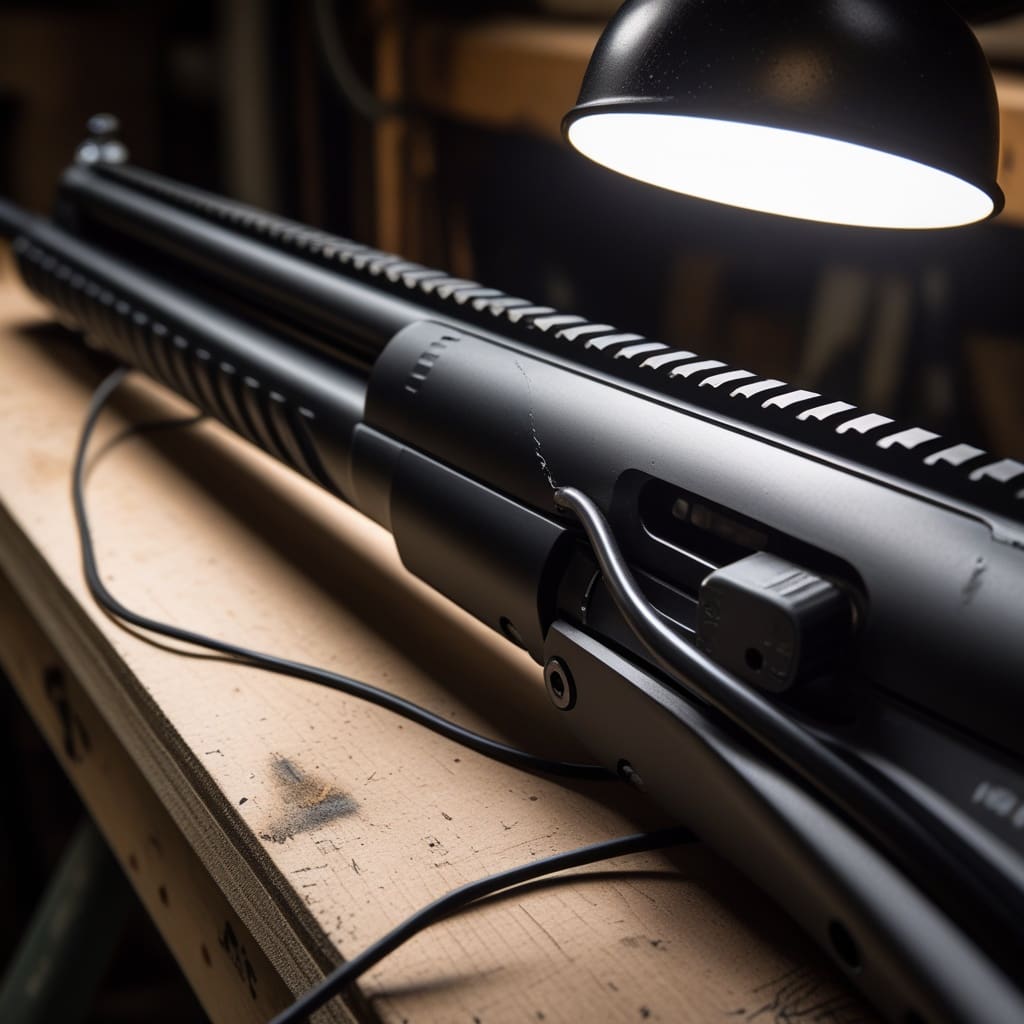
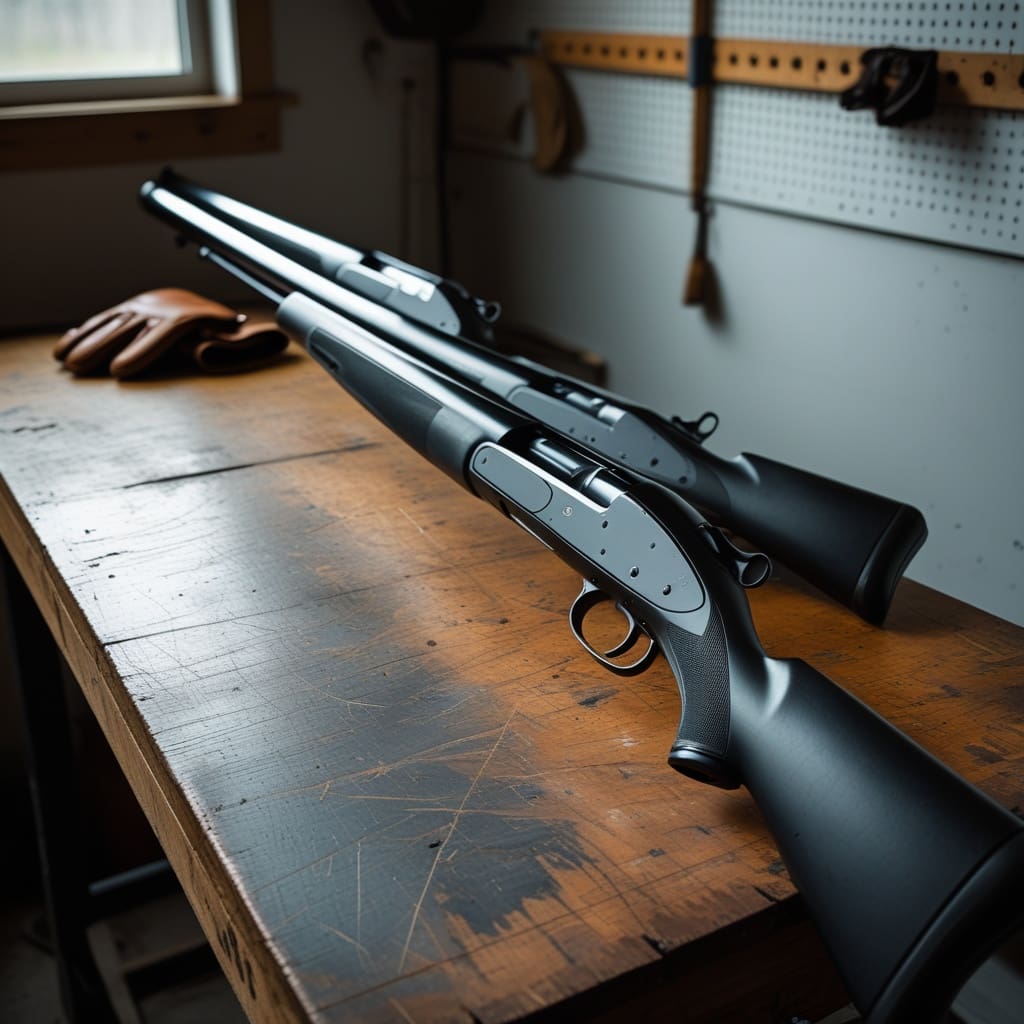
A short-barrel pump shotgun is one of the most practical firearms you can own for home defense. Its compact size lets you move through hallways, doorways, and stairwells without the barrel catching on walls or furniture. If your home has tight indoor spaces, a shorter barrel changes everything about how you can handle a threat.
Most people think longer means more powerful. With shotguns, that is not quite true for close-range defense. An indoor shotgun in the 18-inch barrel range gives up very little ballistic performance compared to a longer-barreled field gun, but it gains a massive advantage in maneuverability. This guide covers everything you need to know before you buy.
Ready to learn more? Browse the full selection of defensive shotguns at Trigger Works LLC and find the right fit for your home setup.
A short-barrel pump shotgun is a manually operated, slide-action shotgun with a barrel shorter than the standard hunting length of 26 to 28 inches. Federal law sets 18 inches as the minimum legal barrel length for a shotgun without additional licensing under the National Firearms Act. Most defensive models ship at exactly 18 inches or just over that threshold.
The pump-action mechanism means you manually cycle the action by pulling the forend back and pushing it forward. This ejects the spent shell and chambers a fresh one. The process is simple, reliable, and works with virtually any factory ammunition you feed it.
The short barrel reduces the overall length of the gun dramatically. A standard field shotgun might run 48 inches from stock to muzzle. A defensive model with an 18-inch barrel and a standard stock sits closer to 38 inches. That ten-inch difference feels enormous the moment you try to turn a corner in a dark hallway.

Most American homes have hallways between 36 and 42 inches wide. A long-barreled shotgun held at a low ready position can extend far enough to bump walls as you turn. That contact telegraphs your position and can momentarily disrupt your aim when it matters most.
An indoor shotgun with a shorter barrel stays inside your body profile more easily. You can move through doorways, check corners, and navigate furniture-filled rooms without the muzzle leading by two feet. This is not a marginal advantage. In a real threat scenario inside your home, it is the difference between being in control and fighting the gun.
Staircases create another challenge. Pointing a long barrel down a stairwell from the top means the muzzle drops into the space before your eyes do. A short barrel keeps your sight line and your muzzle much closer together, so you see and address a threat at the same moment.

The 18 inch barrel shotgun has become the de facto standard for home defense. Manufacturers build dedicated defensive models at this length because it threads the needle between legal compliance, ballistic performance, and handling in confined spaces.
At 18 inches, a 12-gauge shotgun firing buckshot loses only a small fraction of muzzle velocity compared to a 26-inch barrel. Inside a home, where most defensive distances are under 15 yards, that velocity difference has no practical effect on stopping power. The pattern spread at close range is still tight enough to keep pellets on a human-sized target.
| Barrel Length | Overall Length (Std. Stock) | Best Use Case | Indoor Maneuverability |
|---|---|---|---|
| 18 inches | ~38 inches | Home defense, indoor use | Excellent |
| 20 inches | ~40 inches | Defense and light field use | Good |
| 26 inches | ~46 inches | Upland hunting, clays | Poor |
| 28 inches | ~48 inches | Waterfowl, long-range birds | Poor |
The two most common gauge choices for a short-barrel pump shotgun are 12-gauge and 20-gauge. Each has a real role depending on the shooter and the home layout.
The 12-gauge pump-action is the gold standard for home defense shotguns worldwide. It delivers more pellets per shot and higher energy than a 20-gauge when loaded with comparable buckshot. The trade-off is recoil. A 12-gauge defensive load produces noticeably more kick than a 20-gauge, especially from a lighter short-barrel gun.
If you can manage the recoil and shoot confidently with a 12-gauge, it is hard to argue against it. Reduced-recoil 12-gauge buckshot loads exist specifically for defensive use and make the platform more manageable for a wider range of shooters.
The 20-gauge pump is a low-recoil home defense option that should not be underestimated. It still delivers multiple buckshot pellets per trigger pull and cycles faster for many shooters because the lighter recoil impulse makes follow-up shots easier to manage. Smaller-framed adults and newer shooters often perform better and more confidently with a 20-gauge short-barrel gun.
Inside a home at typical defensive distances, a 20-gauge load of No. 3 buckshot or larger is entirely capable of stopping a threat. Dismissing it because it is not a 12-gauge is a mistake.

The barrel is only part of the length equation. Your stock choice changes how the gun handles in tight spaces as much as the barrel does.
A standard full stock with a pistol grip gives you the best shooting platform. It allows a proper cheek weld, which means resting your face against the stock to align your eye with the bead or sights. This improves accuracy and helps you absorb recoil more effectively.
A standalone pistol grip, with no shoulder stock at all, shortens the gun significantly. It is extremely compact, but accuracy suffers and recoil becomes harder to manage. Most experienced instructors recommend against pistol-grip-only configurations for defensive use unless the shooter has trained extensively with that setup.
Folding stocks let you collapse the length for storage or close-quarter maneuvering and extend the stock for a full shooting platform when you have room. Collapsible stocks adjust length of pull, which is the distance from the trigger to the end of the stock, to fit different body sizes. Both options add versatility without sacrificing too much shooting performance.
Barrel length affects more than just handling. It also interacts with your ammunition choice in ways that matter for home defense.
Buckshot loads fire multiple large pellets simultaneously. For an indoor shotgun, 00 buckshot (pronounced “double-ought”) is the most popular choice. Each shell fires 8 to 9 pellets in a standard 12-gauge load. At close range, the pattern is tight enough that most or all pellets strike the target.
Many new owners ask about the best 12 gauge ammo for home defense, and buckshot is the usual answer. It combines pellet count with enough individual pellet mass to stop a threat reliably.
Reduced-recoil buckshot loads are designed specifically for defensive applications. They lower felt recoil while keeping terminal performance close to standard loads. For short-barrel guns where the gun is lighter and recoil is amplified, these loads are worth serious consideration.
A slug is a single solid projectile. It delivers tremendous energy at longer ranges but overcomes the pattern-spread advantage that makes buckshot so effective at close range. Slugs are better suited for larger properties or rural settings where shots might extend past 25 yards. Inside a typical Raleigh home or apartment, buckshot is the more appropriate choice.
Birdshot is sometimes promoted as a low-penetration defensive load. The small pellets do reduce the risk of shooting through walls, but they also reduce stopping power significantly. Defensive instructors generally advise against relying on birdshot to stop a determined threat. Save it for the range or the field.
Not every short-barrel pump shotgun is built equally. Certain features separate a reliable defensive tool from a range toy that will frustrate you under stress.
Federal law requires a shotgun barrel to measure at least 18 inches and the overall length of the firearm to measure at least 26 inches. Barrels shorter than 18 inches require the gun to be registered as a Short-Barreled Shotgun under the National Firearms Act, which involves a lengthy approval process, a tax stamp, and additional paperwork.
Nearly all factory defensive shotguns sold at retail comply with the 18-inch minimum. Always confirm measurements before any barrel modification. North Carolina state law aligns with federal minimums on barrel length, but you should verify current state and local regulations before purchase or any alteration to your firearm.
If you are considering purchasing from an out-of-state dealer, review the shipping and transfer process carefully. Trigger Works LLC ships through licensed dealers, so reviewing the shipping policy before placing an order helps you understand the transfer timeline and requirements.
Owning the right gun is only the first step. A short-barrel pump shotgun handled poorly is less effective than a longer gun handled with skill. Training closes that gap fast.
Dry-fire practice, which means practicing with an unloaded, verified-safe firearm, builds muscle memory for the pump cycle, the mount, and the trigger press without burning ammunition. Practice moving through doorways and turning corners in your home with the unloaded gun. You will quickly discover which angles and grip positions work in your specific layout.
Live-fire practice at a range helps you understand recoil management, pattern spread at varying distances, and how fast you can cycle the action under mild stress. Both types of practice together build the confidence you need to actually use the gun effectively if you ever have to.
The short-barrel pump shotgun is not the only home defense firearm, but understanding why it competes well against the alternatives helps you confirm it is the right choice for you.
A handgun is easier to store, easier to maneuver in extreme close quarters, and faster to deploy from a holster. A short-barrel pump shotgun delivers far more energy per trigger pull and does not require the precise shot placement that a handgun demands. Many home defenders keep both: a handgun for immediate access and a shotgun for a barricaded defensive position.
A semi-automatic shotgun cycles the action automatically after each shot. This can be faster in trained hands, but semi-auto actions are generally more sensitive to ammunition types. A pump shotgun cycles reliably with reduced-recoil loads, birdshot, and full-power slugs without complaint. For a defensive gun that must work the first time every time, the pump action’s mechanical simplicity is a genuine advantage.
An AR-platform rifle in a pistol configuration can be very compact and holds more rounds. However, rifle rounds overpenetrate more aggressively than buckshot in most home environments, meaning a missed shot or a round that passes through a threat can travel through multiple walls. Buckshot from a short-barrel pump offers a balance of stopping power and reduced overpenetration risk that rifles cannot easily match.
A short-barrel pump shotgun is one of the most trusted and field-proven home defense tools available. Its compact length, simple mechanics, and devastating close-range effectiveness make it the right choice for anyone defending a home with tight indoor spaces. The 18-inch barrel hits the legal minimum while keeping the gun nimble enough to work in hallways, stairwells, and bedrooms.
Take time to choose the right gauge, stock configuration, and ammunition for your specific situation. Then train with it regularly. The best home defense firearm is always the one you understand, can operate under stress, and have practiced with consistently.
Federal law sets the minimum at 18 inches for a shotgun barrel. The overall length of the firearm must also be at least 26 inches. Any barrel shorter than 18 inches legally classifies the gun as a Short-Barreled Shotgun, which requires NFA registration, a tax stamp, and ATF approval before you can legally own it.
Both are effective at close range. A 12-gauge delivers more energy and more pellets per shot, but produces heavier recoil. A 20-gauge is easier to manage for smaller-framed shooters and still delivers strong terminal performance inside a home. The right choice depends on who will be using the gun and how well they shoot each platform.
Yes, most pump shotguns accept aftermarket pistol grip stocks. A pistol-grip-only configuration shortens the gun but makes accurate shooting and recoil management harder. A full stock with a pistol grip is generally a better balance of control and compactness. Always verify that the stock you choose is compatible with your specific model before purchasing.
Most defensive pump shotguns hold 4 to 8 rounds in the magazine tube, depending on the tube length and shell size. A 5-round or 6-round capacity is common at the 18-inch barrel length. You can add a side-saddle shell carrier to keep additional rounds immediately accessible on the receiver without requiring a separate pouch or bag.
At typical indoor defensive distances under 15 yards, a shorter barrel has almost no effect on stopping power compared to a longer field barrel. Muzzle velocity drops slightly, but the difference is not meaningful at close range. What you gain in maneuverability in tight spaces far outweighs the minor ballistic trade-off for home defense purposes.